Quick Takeaways
- River rock and pea gravel work best for drainage areas and decorative ground cover
- Black and pink granite offer bold, permanent colour that won’t fade like dyed mulch
- Decorative rock requires higher upfront investment but lasts indefinitely with minimal maintenance.e
- Match rock size to function: small gravel for pathways, medium stones for beds, boulders for focal points
- Always install landscape fabric under rock to prevent weed growth and soil mixing.
Decorative rock transforms landscapes in ways mulch simply cannot. Where mulch fades, decomposes, and needs annual replacement, rock holds its colour and form for decades. One installation. Minimal maintenance. Permanent beauty.
But with so many types of decorative rock for landscaping available, choosing the right one can feel overwhelming. River rock, granite, limestone, lava rock, pea gravel—each has distinct characteristics that make it ideal for certain applications and problematic for others. This guide breaks down your options so you can choose confidently.
Why Choose Decorative Rock Over Mulch?
Longevity and Low Maintenance
Mulch breaks down. Within a year, that fresh layer you spread starts decomposing, fading, and compacting. Within two or three years, it’s largely gone, absorbed into the soil and replaced by weeds.
Decorative rock doesn’t decompose. The granite you install today will look essentially the same in twenty years. Yes, the upfront cost is higher. But spread that cost across decades of use and rock becomes remarkably economical.
Rock also doesn’t attract pests. Termites, ants, and other insects that love decomposing wood mulch have no interest in stone. For properties where pest control matters, this alone justifies the switch.
When Rock Isn’t the Right Choice
Rock retains heat. On hot summer days, stone-covered beds can become significantly warmer than surrounding areas. This stress can harm heat-sensitive plants, especially in beds that receive afternoon sun.
Rock also doesn’t improve soil like decomposing organic mulch does. Around plants that benefit from nutrient-rich, moisture-retentive soil, wood mulch may be the better long-term choice despite the maintenance requirements.
Small Decorative Rocks (Under 1 Inch)
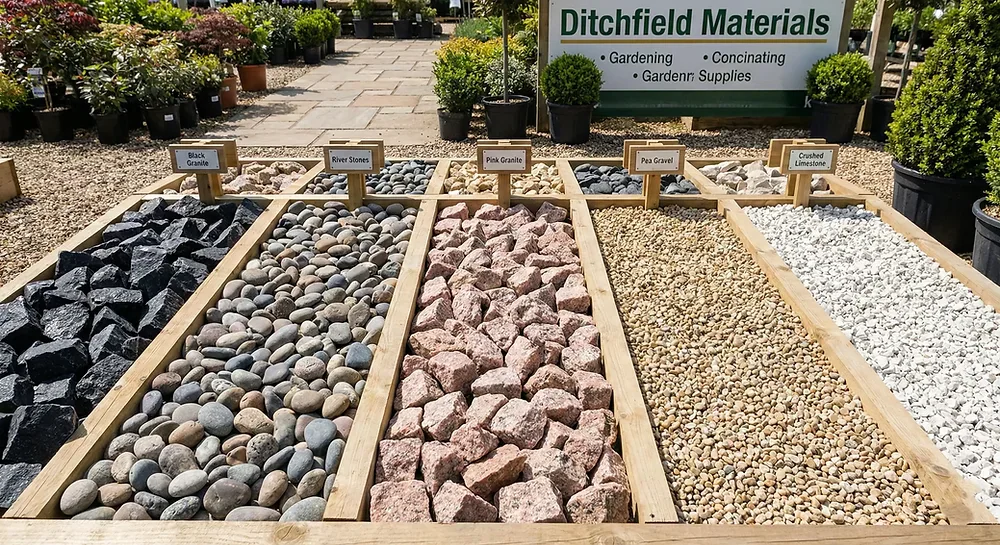
Pea Gravel
Named for its size, pea gravel consists of small, rounded stones typically 1/4 to 1/2 inch in diameter. The smooth texture makes it comfortable underfoot, which is why you’ll often see it used for pathways, patios, and around seating areas.
Pea gravel comes in natural earth tones, including tan, brown, grey, and white. The colour variation creates visual interest without overwhelming your landscape. It drains exceptionally well, making it ideal for areas where water tends to pool.
Crushed Limestone
Crushed limestone features angular pieces that lock together better than rounded stones. This makes it excellent for pathways and driveways where you need stable footing. The material compacts well, creating a firm surface that doesn’t shift underfoot.
Limestone’s light grey to white colour brightens shaded areas. It works particularly well in formal garden settings or as a base under pavers. Available in various sizes from fine to coarse, you can match the grade to your specific application.
Medium Decorative Rocks (1-3 Inches)
River Rock
River rock has been smoothed by water over thousands of years, giving each stone a rounded, polished appearance. Sizes range from 3/4 inch to several inches in diameter, with colours spanning greys, browns, tans, and mixed blends.
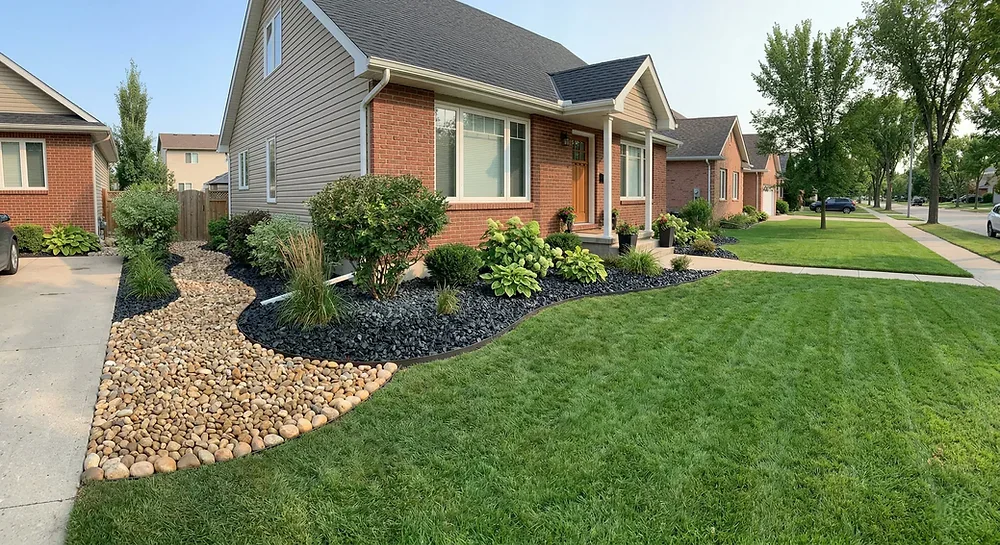
This type of decorative rock for landscaping excels in dry creek beds, drainage solutions, and water feature surrounds. The natural appearance blends seamlessly with both contemporary and traditional landscapes. Larger riverstone creates visual weight that anchors a space.
Black Granite
For dramatic contrast, nothing beats black granite. The deep charcoal colour makes green foliage pop and creates sophisticated, modern-looking beds. Black granite comes in sizes from 1/4 inch chips to 6-inch pieces, allowing you to choose the scale that fits your design.
This stone holds its colour permanently. Unlike dyed mulches that fade to grey, granite maintains its appearance year after year. It’s particularly striking when wet, developing a glossy sheen after rain.
Pink Granite
Pink granite offers warmth and visual interest that other stones can’t match. The rose and salmon tones complement brick homes beautifully and add unexpected colour to garden beds without relying on flowers. Like black granite, pink granite is a natural colour that won’t fade. Use it as a statement feature or blend it with other materials for added dimension.
Lava Rock
Volcanic in origin, lava rock brings bold colour to landscapes. Available in deep reds, blacks, and browns, these porous stones create striking contrast against green foliage. Lava rock is lightweight compared to other stones, making it easier to transport and spread. However, that same porosity means it absorbs and retains heat. Use it in areas away from heat-sensitive plants, or pair it with drought-tolerant species.
Large Decorative Rocks and Boulders
Riverstone Boulders
Large riverstone boulders serve as natural focal points in landscape design. Positioned thoughtfully, a single boulder can anchor a garden bed, mark an entrance, or create visual interest where plantings alone fall flat. The smooth, water-worn surface adds organic warmth to any setting.
Using Boulders as Focal Points
Boulders work best when they look like they belong. Partially bury them to suggest they’ve been there forever. Orient them with their most interesting face forward. Combine them with complementary plantings that soften the stone’s presence. Avoid the common mistake of placing boulders like afterthoughts—a boulder dropped on a flat lawn looks out of place.
How Do You Choose the Right Rock for Your Project?
Matching Rock to Your Home Style
Your home’s architecture should influence your stone selection. Modern homes with clean lines pair well with uniform black granite or crisp white marble chips. Traditional homes often suit river rock’s natural variation. Rustic properties call for larger, rougher stones with visible texture.
Functional Considerations
Think about how the area will be used. Walking paths need stable, smooth stones like pea gravel or crushed limestone. Drainage areas require excellent water flow through coarse river rock. Decorative beds where you’ll occasionally kneel and work benefit from smoother stones rather than sharp-edged crushed materials. Heat retention matters near plants—dark rocks absorb more heat than light ones.
How Much Decorative Rock Do You Need?
Coverage Calculator
Formula: Length × Width × Depth (in inches) ÷ 12 ÷ 27 = Cubic Yards
Reference: One cubic yard of decorative rock covers approximately 80 sq ft at 3 inches deep, or 120 sq ft at 2 inches deep.
Ordering Tips
Rock is heavy. A cubic yard weighs between 2,000 and 3,000 pounds depending on material. Delivery makes sense for anything more than a few bags. Most landscape suppliers, including Ditchfield Soils, offer delivery across Winnipeg. Order slightly more than your calculation suggests—rock settles, and having a small surplus beats running short.
Installation Tips for Success
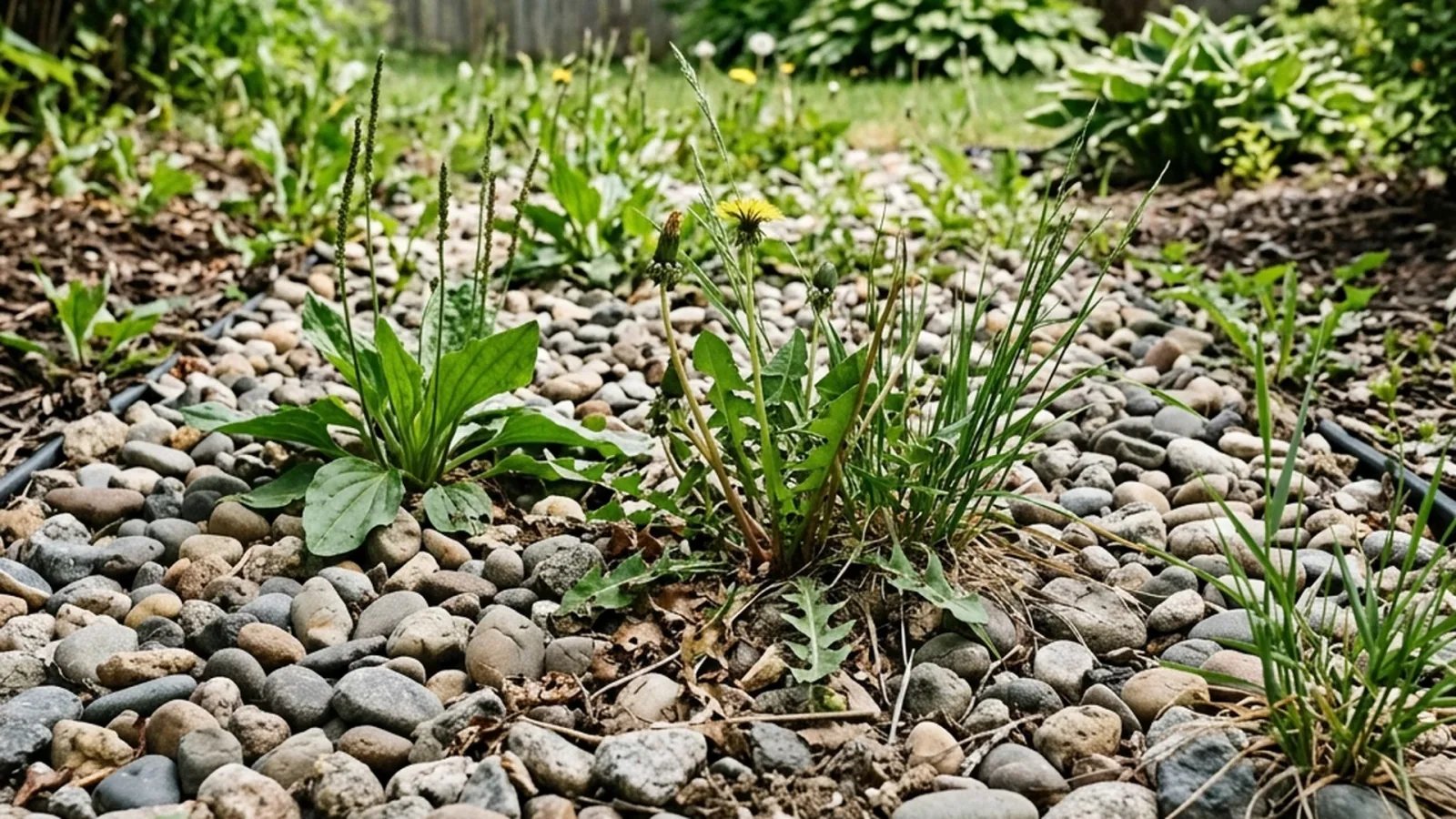
Always install landscape fabric under decorative rock. Without it, weeds push through from below and soil mixes with stone, creating a mess that’s nearly impossible to clean up. Good fabric blocks weeds while allowing water to drain.
Prepare the base by removing existing vegetation and levelling the soil. Install sturdy edging to contain the rock. Then lay fabric, overlapping seams by several inches. Finally, spread your stone to the desired depth.
In Winnipeg’s freeze-thaw cycles, proper base prep and edging are especially critical. Without them, frost heave shifts stone out of position and seasonal ground movement creates gaps in your coverage. Investing time in a solid foundation saves you from reworking beds every spring.
Frequently Asked Questions
What Is the Best Decorative Rock for Winnipeg Landscapes?
River rock and granite are the top choices for Winnipeg properties. Both handle freeze-thaw cycles without cracking or deteriorating. River rock works well in drainage areas and decorative beds, while black and pink granite provide bold, permanent colour. Avoid porous materials like sandstone in our climate—they absorb water, freeze, and break apart within a few seasons.
Does Decorative Rock Attract Bugs?
No. Unlike wood mulch, decorative rock doesn’t decompose and doesn’t provide food or nesting material for insects. Termites, ants, and earwigs that thrive in decomposing organic mulch have no interest in stone. If pest control is a concern around your foundation or garden beds, rock is the safer choice.
How Deep Should I Lay Decorative Rock?
For most landscaping applications, 2 to 3 inches of depth provides solid coverage. Pathways and high-traffic areas benefit from 3 inches to account for settling. Decorative beds with medium-sized stone like river rock or granite look best at 2 inches. Always install landscape fabric underneath to prevent weeds from pushing through.
Can I Put Decorative Rock Over Existing Mulch?
It’s not recommended. Mulch decomposes underneath the rock, creating a layer of organic material that breeds weeds and causes drainage issues. For the best results, remove existing mulch down to bare soil, install landscape fabric, and then spread your rock. The extra prep work pays off with a cleaner, lower-maintenance result.
Shop Decorative Rock at Ditchfield
At Ditchfield Soils, we stock a full range of riverstone, black granite, pink granite, and more. Visit our yard to see materials in person, or browse our online store to order for pickup or delivery across Winnipeg. With over 35 years in the landscape supply business, we’ll help you find exactly what your project needs.