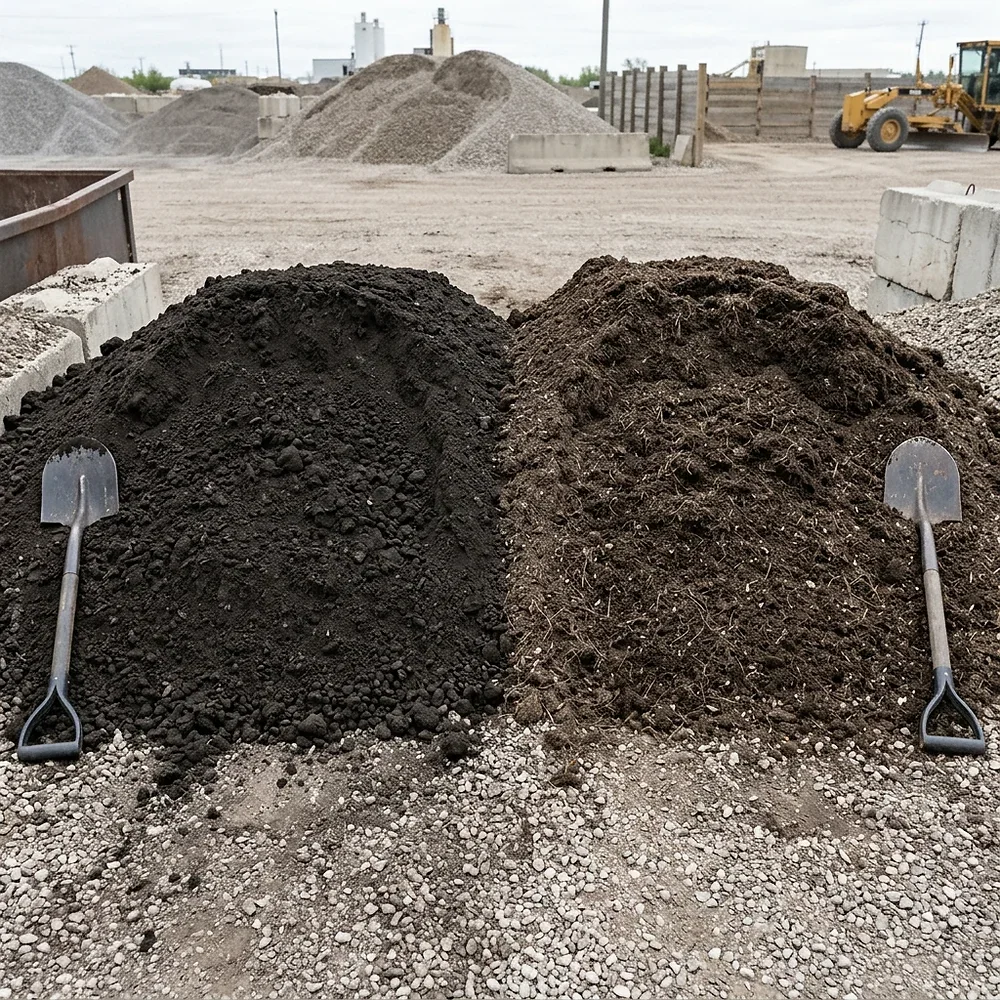
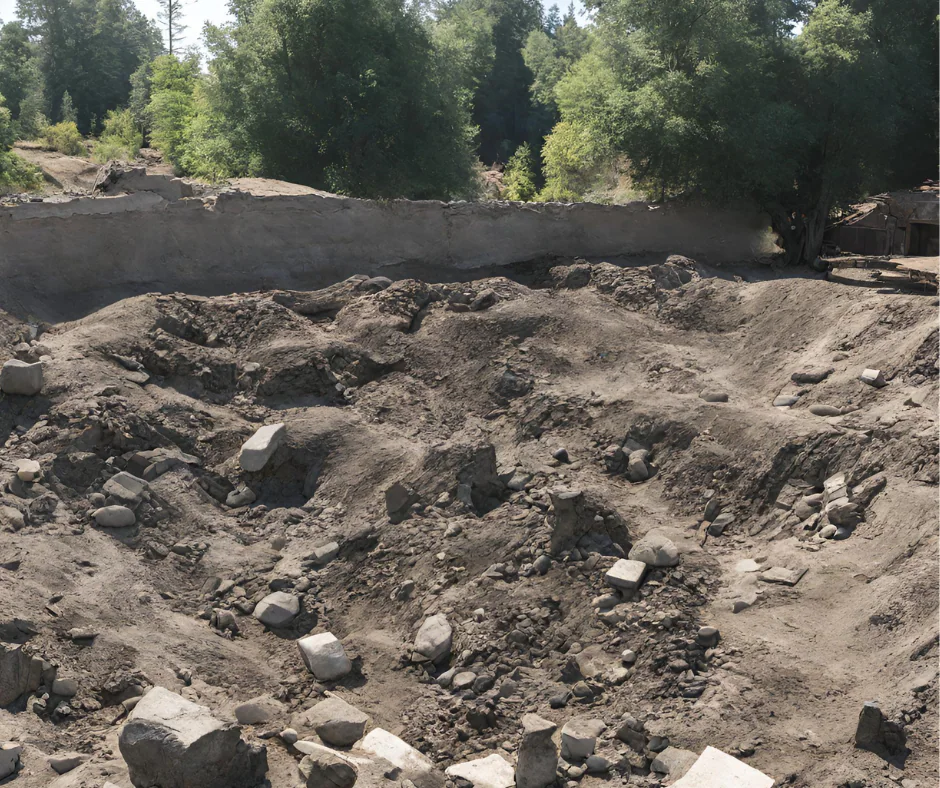
What is clean fill? Clean fill is uncontaminated, inert fill material — typically soil, clay, sand or rock — without garbage, chemicals or organic debris mixed in. It adds volume for raising low or settled areas, rough grading and suitable backfill; it is not a growing medium. At Ditchfield, clean fill is free of garbage, concrete and large debris. Finish areas where grass or plants will grow with screened topsoil; our product guide recommends a 2–4-inch finishing layer, with deeper growing soil for garden beds.
Landscaping is a meticulous art, and one of the critical decisions you’ll face when planning a landscaping project is choosing the right materials. Among these materials, clean fill and soil are two common options, each with its own set of characteristics and uses. In this article, we’ll explore what clean fill is, what it can be used for, how it differs from soil, and the benefits it offers.
Understanding Clean Fill
Clean fill is essentially a term used to describe inert, uncontaminated materials that can be used to fill empty spaces in various construction and landscaping projects. These materials typically include sand, gravel, rocks, or excavated soil. Clean fill is used to build volume and shape landscape grade. It is not a substitute for drainage aggregate or an engineered structural base.
What Can Clean Fill Be Used For?
Clean Fill is a dense, compactable material used for landscape build-up and rough grading applications where plant growth is not the goal. It is commonly used for foundation backfill, site levelling, drainage correction, and building up low areas before a proper topsoil layer is added. Because it is heavy and difficult to spread or grade by hand, Clean Fill is best suited for projects with machinery or contractor support.
-
Foundation Support: Suitable fill may be used for foundation backfill when specified by the contractor or engineer; building foundations and load-bearing pads need an approved base and compaction specification.
-
Land Grading and Levelling: Clean Fill can be used to build up low areas and establish rough elevations, but it should be placed and graded with proper equipment.
-
Drainage Improvement: Used to raise low-lying areas and build slope so surface water runs away instead of pooling.
-
Erosion Control: Clean fill can be strategically placed to prevent soil erosion on sloped terrain.
Clean Fill vs. Soil – How They Differ
Understanding the differences between clean fill and soil is crucial for making informed choices in your landscaping projects:
Composition: Clean fill is typically composed of non-organic materials, while soil contains organic matter like decomposed leaves and organisms.
Drainage: Compacted clean fill is used to shape grade so surface water runs off. Its permeability varies with the material; it is not a replacement for free-draining aggregate. Topsoil provides the organic matter and moisture-holding capacity needed by roots.
Nutrient Content: Soil contains essential nutrients for plant growth, while clean fill does not provide these nutrients.
Contamination Risk: Clean fill is free from contaminants, making it a safer choice for many projects, while soil may contain impurities or contaminants.
Benefits of Using Clean Fill
Choosing clean fill for your landscaping project offers several advantages:
-
Stability and Durability: Suitable clean fill, correctly placed and compacted, supports landscape grade work. Structural bases must follow the project specification.
-
Improved Drainage and Erosion Control: Correctly shaped grade helps direct surface water away from low spots. Drainage systems and slope protection may require additional materials.
-
Reduced Risk of Settling: Placing suitable clean fill in thin lifts and compacting each layer helps reduce later settlement; performance depends on the material, moisture and compaction method.
When to Choose Clean Fill or Soil
Deciding between clean fill and soil depends on your project’s specific requirements:
- Choose Clean Fill When: You need to raise low areas or shape landscape grade below the finished surface. In projects where plant growth is not the primary focus, clean fill is an excellent choice.
- Choose Soil When: Your project involves gardening, farming, or creating a green space where plants need nutrients and a hospitable environment to thrive.
Clean Fill FAQ
What is clean fill used for?
Clean fill adds volume for raising low or settled areas, rough grading, suitable backfill and filling excavations. Shape the finished grade so surface water drains away from the house. For retaining walls, foundations or load-bearing pads, use the material and drainage details specified for the project.
Can I grow grass or a garden in clean fill?
Clean fill is not intended as a growing medium. Bring it below finished grade, then add screened topsoil or a growing-soil blend. Our clean fill guide recommends a 2–4-inch finishing layer; garden beds need deeper growing soil suited to the plants. Our Four-Way Mix is intended for lawns, gardens and raised beds.
Does clean fill need to be compacted?
Yes, when it is used to build landscape grade. Place it in thin lifts and compact each layer as you go; our product guide suggests 6-inch lifts for landscape work. The appropriate lift thickness depends on the fill, moisture and equipment. For garage slabs, footings or load-bearing pads, follow your engineer’s or contractor’s specification. Crushed limestone may be specified as a compacted base; clean fill alone is not an engineered structural base.
Need clean fill for your project? See our clean fill for pickup or delivery in Winnipeg.
Conclusion
In the world of landscaping, selecting the right material can make all the difference. Clean fill and soil each have their unique qualities, making them suitable for specific purposes. By understanding their differences and benefits, you can make an informed decision that ensures the success and longevity of your landscaping project.
Call to Action
Ready to start your landscaping project? Reach out to our experts for personalized guidance on choosing the right materials for your needs. Explore our website for more landscaping tips and inspiration.