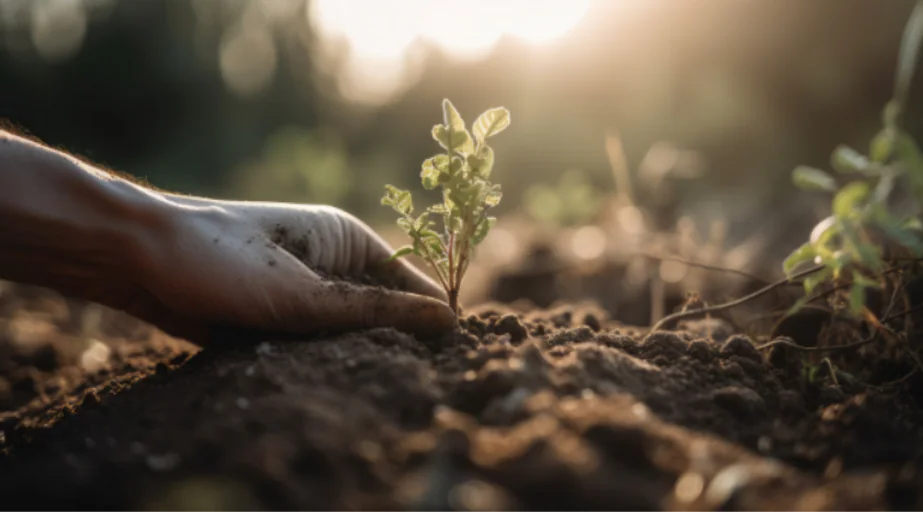
A thriving Winnipeg Garden starts with the right foundation, healthy soil, even when working with our city’s challenging clay subsoil. If you want a garden that flourishes through prairie summers and survives our harsh winters, you need to understand what lies beneath.
The Foundation Problem: Why Winnipeg’s Native Soil Fights Against Gardeners
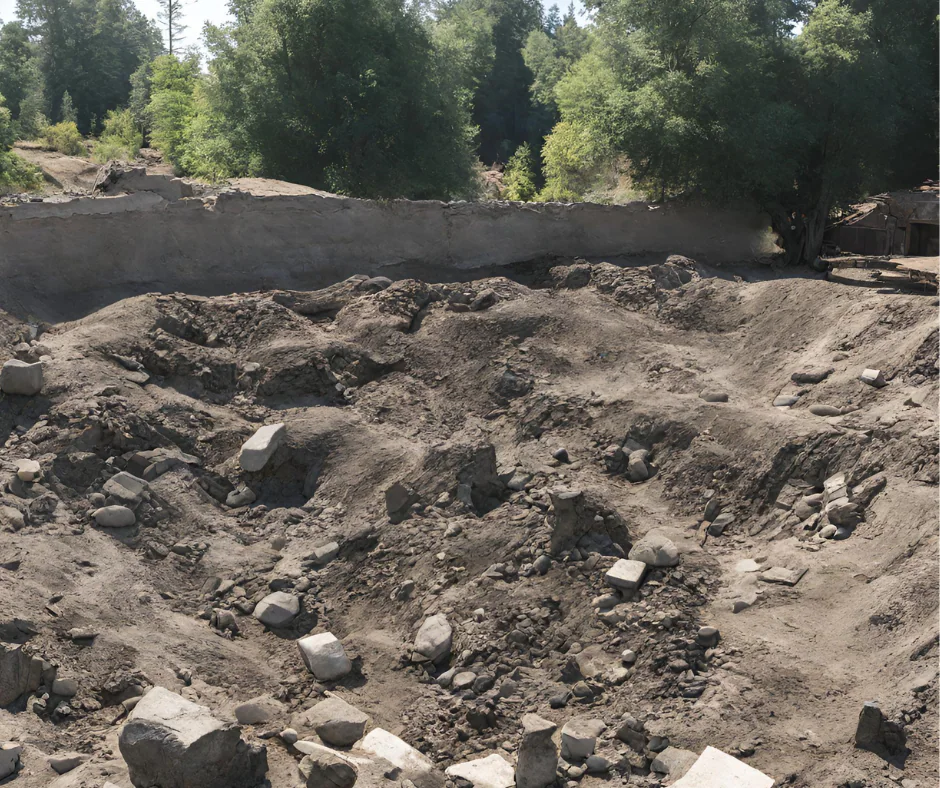
Winnipeg homeowners quickly discover that our native soil presents unique challenges. The infamous “Red River gumbo”, heavy clay soil that dominates much of our region, can turn gardening dreams into frustrating struggles.
Understanding Manitoba’s Soil Composition
Manitoba’s natural soil profile creates several obstacles for home gardeners:
Clay-Heavy Composition: Our local clay soil contains microscopic particles that pack together tightly. While this clay-rich soil holds nutrients well, it creates drainage nightmares. When wet, it becomes waterlogged, and oxygen starved. When dry, it hardens into concrete-like clods that roots cannot penetrate.
Alkaline pH Levels: Winnipeg soils typically register pH levels between 7.5-8.5, making them alkaline. Many popular garden plants prefer slightly acidic to neutral soil (pH 6.0-7.0), which means our native soil can lock up essential nutrients like iron and phosphorus, leaving plants nutrient-deficient despite rich soil.
Compaction Issues: Heavy clay becomes easily compacted, especially when worked wet. This compaction prevents proper air and water movement, creating an environment where plant roots struggle to establish and thrive.
Topsoil vs. Clean Fill: Knowing the Difference Saves Money and Headaches
When to Use Each Material
Use Premium Topsoil For:
- New lawn installation and seeding
- Vegetable and flower garden beds
- Tree and shrub planting
- Topdressing existing lawns
- Any area where plants will grow
Use Clean Fill For:
- Filling low spots and depressions
- Building up areas before topsoil application
- Creating proper drainage slopes
- Foundation and hardscape sub-grade preparation
- Backfilling around structures
The Smart Layering Strategy
The most cost-effective approach for deep areas combines both materials:
- Bottom Layer : Clean fill for bulk volume (cheaper)
- Top Layer : Premium topsoil where roots will grow
- Transition Zone : Mix a small amount of topsoil into the top 2-3 inches of fill to prevent sharp layering
Example: For a 12-inch-deep garden bed
- Bottom 6-8 inches: Clean fill
- Top 4-6 inches: Premium topsoil
- Total savings : 30-40% compared to all topsoil while maintaining plant health
Critical Rule: Never plant directly in clean fill. Plants will struggle, fail to establish, and require constant fertilization. Always cap fill areas with adequate top-soil depth for the intended use.
The Science Behind Soil Success: Why Premium Soil Pays Off
Studies demonstrate that plants grown in high-quality soil require 25-50% less fertilizer over time compared to those struggling in poor soil conditions.
Moisture Management That Works
Premium topsoil creates the ideal balance between drainage and moisture retention. Research indicates that well-structured soil can hold up to 20% of its weight in available water while still allowing excess water to drain away, preventing root rot.
Nutrient Cycling Benefits
Quality topsoil rich in organic matter acts as a slow-release fertilizer system. As organic matter decomposes, it releases nutrients gradually throughout the growing season. University studies show that each 1% increase in soil organic matter can hold an additional 25,000 gallons of water per acre.
Winnipeg-Specific Soil Solutions: Working With Our Climate
Dealing with Freeze-Thaw Cycles
Winnipeg’s extreme temperature swings create unique soil challenges. Quality soil amendments help create structure that can handle expansion and contraction without becoming waterlogged or overly compacted.
Spring Flooding Considerations
Many Winnipeg properties experience spring moisture challenges. Well-draining soil reduces waterlogging risks by up to 70% compared to heavy clay, helping plants survive wet springs and establish strong root systems.
Managing Summer Drought Stress
Research demonstrates that soil with 4-5% organic matter can reduce irrigation needs by 30-40% compared to mineral soil alone, crucial during Winnipeg’s hot, dry summer periods.
The Hidden Costs of Cheap Soil: A Winnipeg Reality Check
Winnipeg landscapers report 60–70% of first-year plant failures trace back to poor soil quality. Local landscaping professionals report that 60-70% of plant failures in the first year trace back to poor soil quality.
Common “Cheap Soil” Problems:
- Weed contamination leading to ongoing maintenance costs
- Poor plant establishment requiring replacements
- Drainage issues causing root rot and plant death
- Nutrient deficiencies necessitating expensive fertilizers
- Compaction problems requiring soil replacement
The True Cost Analysis
While premium topsoil might cost 50-100% more upfront, the long-term savings include:
- Reduced plant replacement costs (up to 70% fewer losses)
- Lower fertilizer requirements (25-50% reduction)
- Decreased water usage (30-40% less irrigation needed)
- Minimal soil amendments required over time
Ditchfield’s Winnipeg Soil Solutions
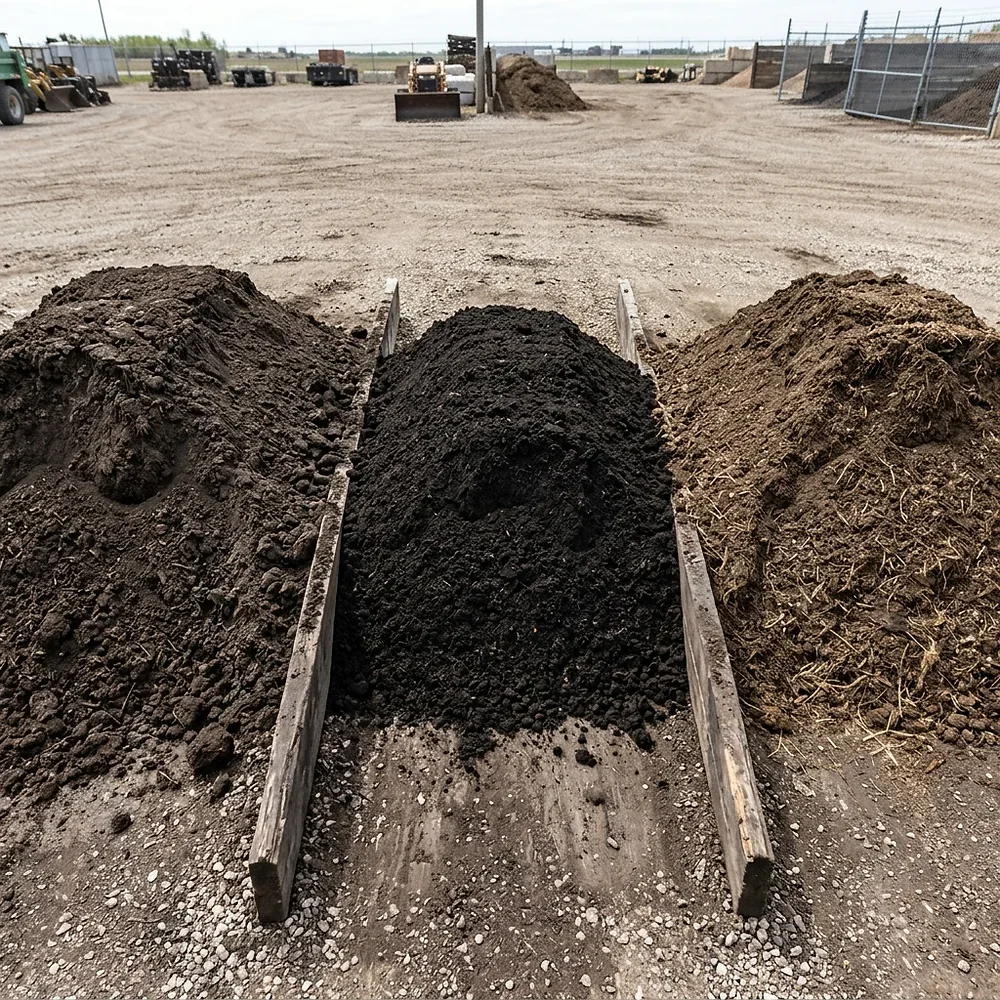
At Ditchfield, we understand Winnipeg’s unique soil challenges. Our 4-way & 5-way soil mix combines screened topsoil, compost, sand, and peat to create the ideal growing medium for our prairie climate. This blend:
- Improves clay soil drainage while retaining moisture during dry periods
- Provides slow-release nutrients through quality compost content
- Maintains proper pH balance for optimal plant health
- Resists compaction better than straight topsoil
Available Soil Products:
Four-Way Mix & 5-Way Mix: Our signature blend for general gardening and lawn establishment
Clean Fill: Soil for grading and filling applications
Installation Best Practices for Winnipeg Conditions
Timing Your Soil Installation
Spring: Best for new installations when soil can settle before summer heat
Fall: Ideal for soil preparation and amendments before winter
Avoid: Working clay soil when it’s waterlogged (typically early spring)
Proper Installation Techniques
-
Test existing soil to understand pH and drainage characteristics
-
Improve drainage in clay areas with coarse sand or gravel amendments
-
Create gradual transitions between new topsoil and existing clay (avoid sharp interfaces)
-
Allow settling time before final grading and seeding
Maintenance for Long-Term Success
Annual Soil Care
Spring: Add 1-2 inches of compost to garden beds annually
Summer: Maintain proper moisture without overwatering
Fall: Apply organic matter to protect soil structure through winter
Signs of Healthy Soil
- Dark, crumbly texture that holds together but breaks apart easily
- Earthworm activity indicating healthy biology
- Good drainage with no standing water after rain
- Strong plant growth with minimal fertilizer requirements
Conclusion: Building Success from the Ground Up
Every successful Winnipeg Garden starts with quality soil. While our native clay presents challenges, understanding the difference between topsoil and fill, and investing in premium materials, sets the foundation for gardening success.
Don’t let “dirt” be an afterthought in your landscaping plans. Quality soil is the most important investment you can make for long-term garden health and beauty.
Ready to build your garden’s foundation, right? Contact Ditchfield for expert soil recommendations and delivery throughout Winnipeg. Our 40+ years of experience with local soil conditions ensures you get exactly what your garden needs to thrive.