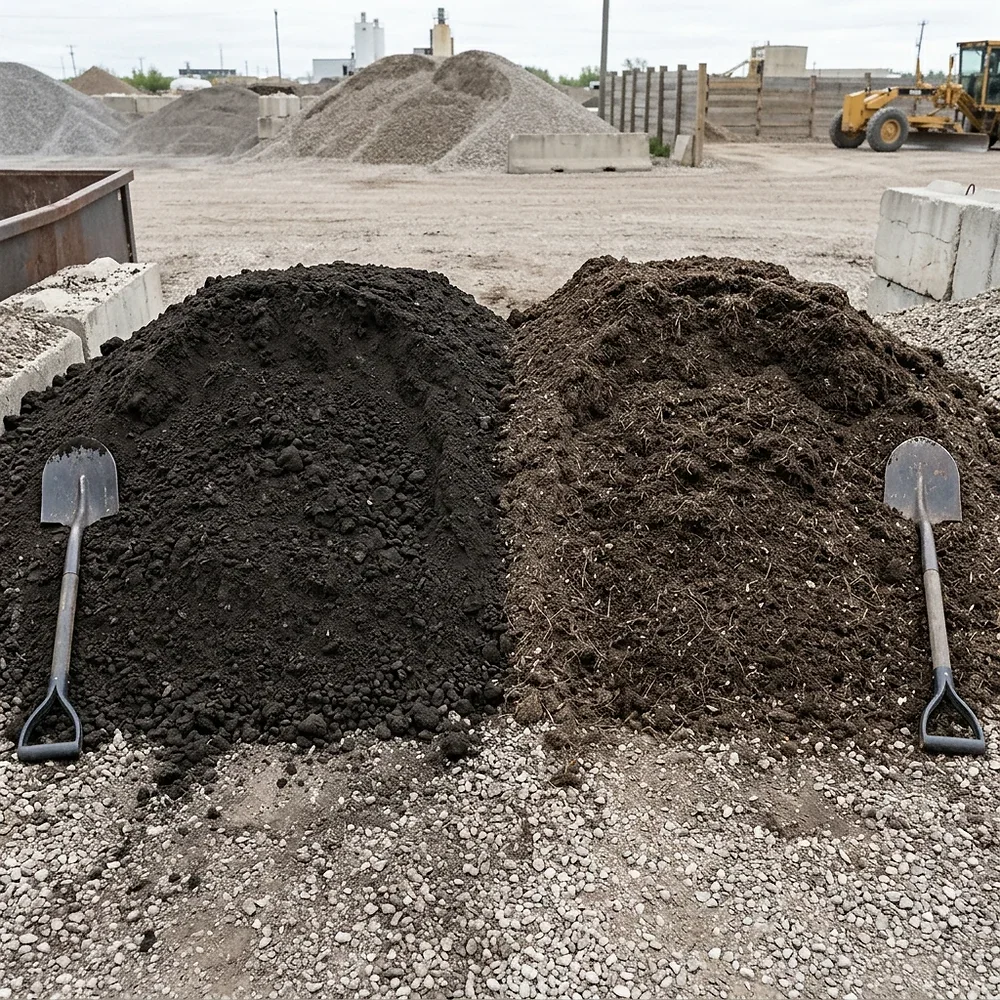
- Screened topsoil is a mineral soil product — good for large-volume applications like lawn prep and grading, but it lacks the organic matter garden plants need
- 4-way blend combines topsoil, peat moss, compost, and sand — designed specifically for planting beds and new lawn installation over Winnipeg’s clay
- The right choice depends on what you’re planting, whether roots go directly into the material, and how deep your clay subsoil is
- For vegetable gardens and perennial beds: 4-way blend. For lawn base layers and grading: screened topsoil. For raised beds: 4-way blend or richer amended mix
- Both products are available in bulk at Ditchfield Supplies — pickup at 2929 Sturgeon Road or delivery across Winnipeg
The Question That Comes Up Every Spring
A customer comes in for soil. They want to build a new garden bed — maybe perennials along the fence, maybe a vegetable patch in the backyard. They know they need something better than what’s already in the ground. What they’re not sure of is whether they need topsoil, 4-way blend, or something else entirely.
It’s a reasonable point of confusion. Both products look like dirt. Both are sold by the cubic yard. Both are used in landscaping. But they’re built for different jobs, and using the wrong one in the wrong place produces disappointing results — thin plants, poor germination, and garden beds that never seem to thrive, regardless of how much you water and fertilize.
After 35 years of supplying soil products to Winnipeg homeowners and contractors, we’ve answered this question thousands of times. Here’s the clear version.
What Screened Topsoil Actually Is
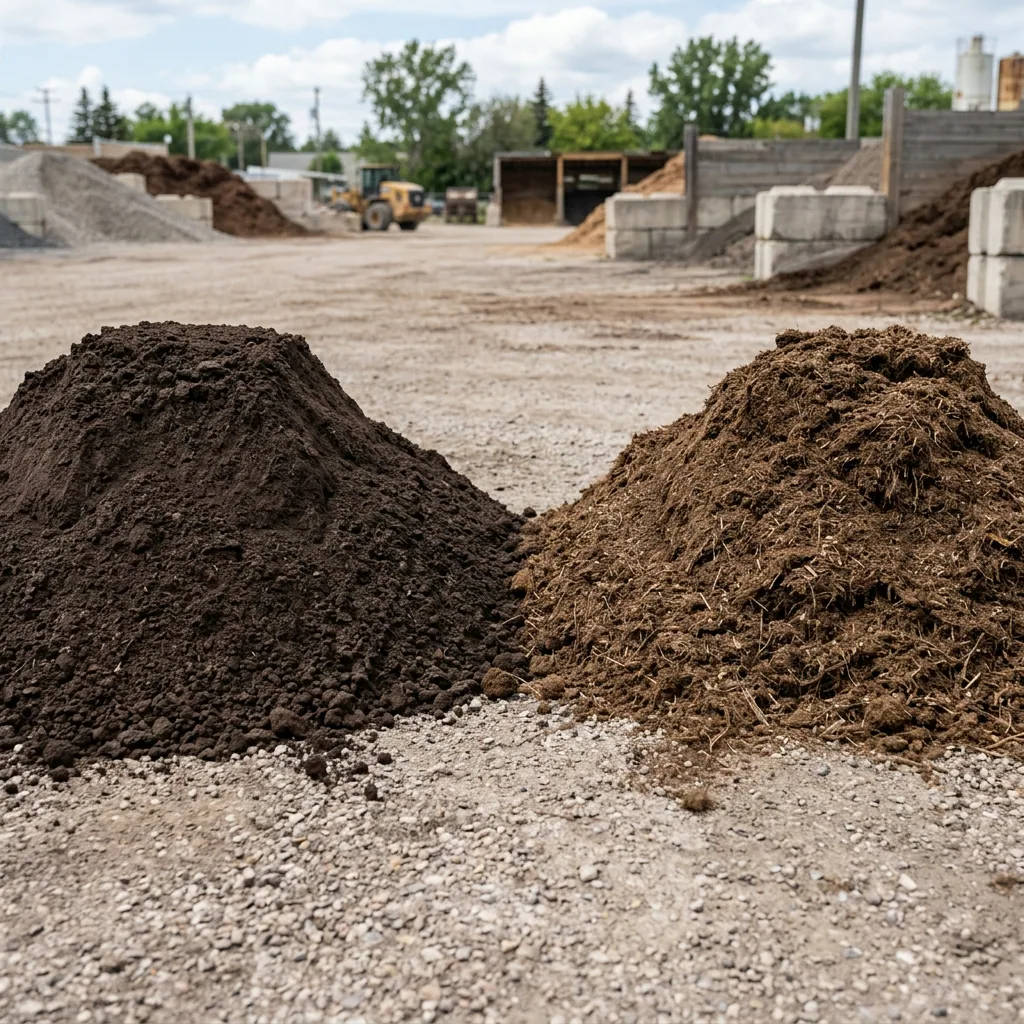
Screened topsoil is the upper layer of native soil — the mineral-rich material that sits below the grass layer and above the subsoil. At Ditchfield Supplies, we screen it to remove rocks, roots, large clumps, and debris. What’s left is a consistent, workable soil that provides good structure and some baseline nutrients.
The keyword is mineral. Screened topsoil is primarily mineral particles — sand, silt, and clay in varying proportions. It has some organic matter from the original soil profile, but not much. In Winnipeg’s case, that native soil base is Red River clay, meaning screened topsoil here tends to be heavier and denser than what you’d find in markets with sandier native soil.
What Screened Topsoil Is Good For
- Base layers under new lawn installations — it provides the bulk volume that sod or seed roots into
- Filling low spots and grade corrections where you need volume without paying for amendment
- Large-scale grading where the final surface will be covered by sod, not planted directly
- Backfill behind retaining walls where structural fill is the priority
- Building up elevation before a capstone layer of amended blend goes on top
Where Screened Topsoil Falls Short for Garden Beds
Screened topsoil on its own lacks the drainage properties and organic matter content that garden plants need to establish. Planted directly into heavy topsoil, most vegetables and perennials will survive but not thrive. Root development is constrained by compaction and drainage, nutrient availability is limited, and the soil structure doesn’t support the microbial activity that healthy garden soil depends on.
This is especially true in Winnipeg. Because our native soil tends toward clay, screened topsoil here is denser than in other markets. Without amendment, it compacts readily after rain and irrigation, restricts drainage, and can become difficult to work as the season progresses.
What 4-Way Blend Actually Is
A 4-way blend is a manufactured soil product that combines four components: screened topsoil, peat moss, compost or aged organic matter, and sand. Each component plays a specific role.
| Component | What It Contributes |
|---|---|
| Screened topsoil | Mineral base, structural weight, trace nutrients |
| Peat moss | Water retention, aeration, and slight acidification — loosens the heavy clay structure |
| Compost / aged organic matter | Active nutrients, microbial life, and organic matter for plant uptake |
| Sand | Drainage improvement — prevents compaction and opens up soil structure |
The result is a soil product that drains better than straight topsoil, holds moisture better than straight sand, feeds plants through its organic matter, and doesn’t compact into a dense mass after a few watering cycles. It’s designed to go directly into planting beds and to work immediately — not over several seasons of amendment.
What 4-Way Blend Is Best For
- New garden beds where plants go directly into the imported soil from day one
- Vegetable gardens, where fertility and drainage directly affect yield
- Perennial beds, where root establishment in year one determines long-term performance
- New lawn installation where sod or seed performance over clay subsoil is a concern
- Raised beds where the entire root zone is contained in the imported material
- Spring bed refreshes where the existing soil needs organic enrichment
The Winnipeg Clay Factor
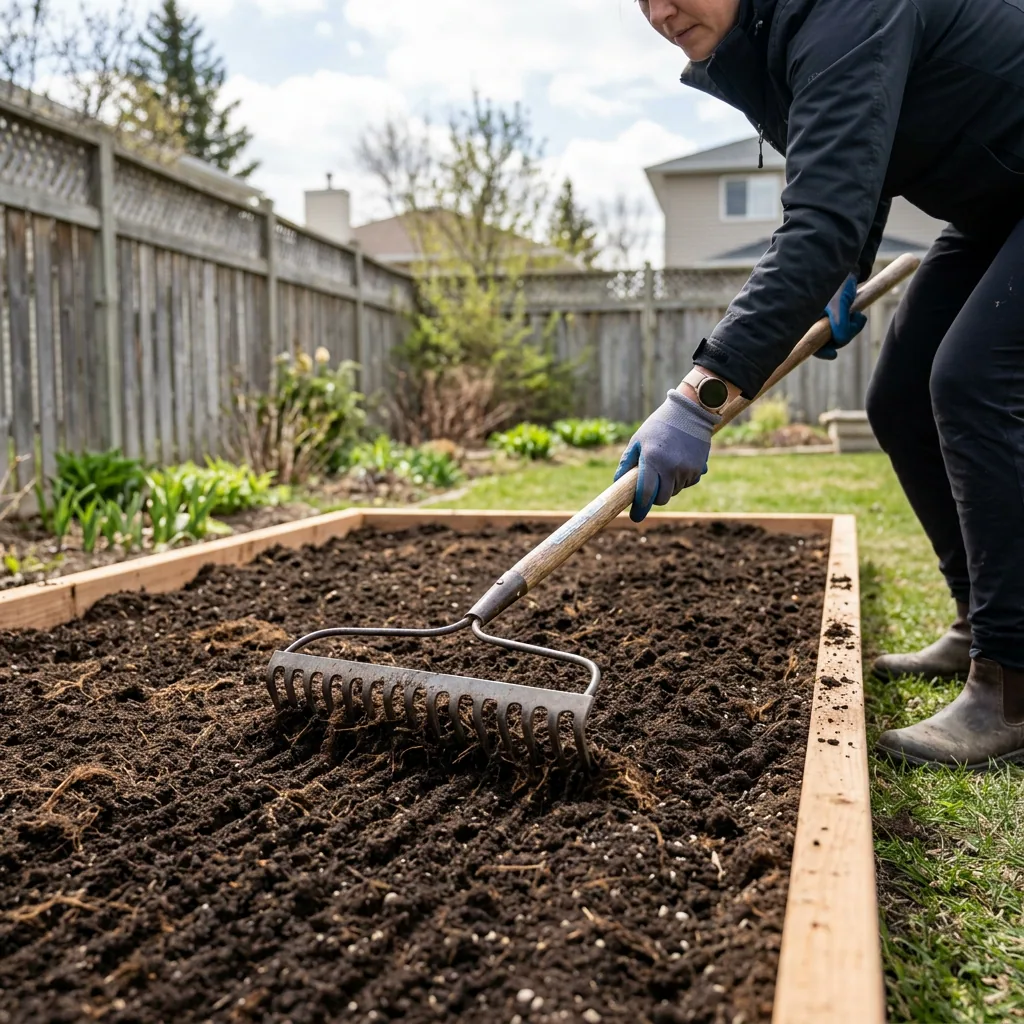
This distinction matters more in Winnipeg than in most Canadian cities because of what’s underneath most yards. Red River clay is one of the densest native soils in the country. When you install a garden bed over Red River clay without either building sufficient depth or loosening the clay below, roots eventually hit that clay interface and stop.
Screened topsoil over clay creates a two-layer system where the topsoil drains down into the clay and then sits saturated above it. That layer doesn’t drain, roots stay shallow, and in wet springs, the plants effectively sit in waterlogged conditions even if the surface looks fine.
4-way blend over clay creates the same two-layer system structurally, but the sand and peat components in the blend reduce the rate of saturation at the interface. More importantly, the organic matter supports root development actively rather than passively. Plants in a 4-way blend establish deeper root systems faster, which helps them push through or around the clay boundary more effectively.
Best approach for deep clay: Loosen the clay below to at least 6 to 8 inches before adding any imported soil, then add your 4-way blend to the recommended depth. That creates a transition zone that roots can penetrate rather than a hard stop.
Quick Reference: Which Product for Which Application
Screened Topsoil
- Lawn base layer (3–4 inches under sod)
- Filling low spots in the lawn
- Grade corrections and elevation fill
- Backfill behind retaining walls
- Bulk volume before capping with blend
4-Way Blend
- Vegetable gardens (8–12 inches minimum)
- Perennial flower beds (6–8 inches)
- Annual flower beds (6–8 inches)
- Raised beds (full depth)
- Spring bed refreshes and topdressing
Depth Guide by Application
| Application | Product | Minimum Depth | Preferred Depth |
|---|---|---|---|
| New sod over clay | Screened topsoil or 4-way | 3–4 inches | 4 inches |
| Perennial flower bed | 4-way blend | 6 inches | 8 inches |
| Annual flower bed | 4-way blend | 6 inches | 6–8 inches |
| Vegetable garden | 4-way blend | 8 inches | 10–12 inches |
| Raised garden bed | 4-way blend | 10 inches | 12–16 inches |
| Grading / elevation fill | Screened topsoil | As required | Cap with 4-way if planting on top |
| Low spot fill in lawn | Screened topsoil | As required | Topdress with ¼–½ inch after |
Volume Formula and Quick Reference
| Bed Size | At 6″ (4-way) | At 8″ (4-way) | At 4″ (topsoil / sod) |
|---|---|---|---|
| 50 sq ft | 0.9 cu yd | 1.2 cu yd | 0.6 cu yd |
| 100 sq ft | 1.9 cu yd | 2.5 cu yd | 1.2 cu yd |
| 200 sq ft | 3.7 cu yd | 5.0 cu yd | 2.5 cu yd |
| 300 sq ft | 5.6 cu yd | 7.4 cu yd | 3.7 cu yd |
| 500 sq ft | 9.3 cu yd | 12.3 cu yd | 6.2 cu yd |
When to Use Both Products on the Same Project
Larger landscaping projects often use both products at different layers or in different zones. A common pattern:
- Screened topsoil for the bulk fill volume in a raised grade area — cost-effective for the structural portion
- 4-way blend as the top 6 to 8 inches of garden beds that sit within that graded area — where roots will actually live
- Screened topsoil as the sod base layer across lawn areas, with 4-way blend reserved for the defined planting beds
This approach is more cost-effective than using a 4-way blend for everything, and more effective than using screened topsoil everywhere. Use each product where it does its job best.
FAQ: 4-Way Blend vs Topsoil in Winnipeg
Can I use screened topsoil in my vegetable garden if I add fertilizer?
You can, and it will work to a degree, but you’re compensating for what the soil lacks rather than starting with a product designed for the application. Fertilizer adds nutrients but doesn’t improve drainage, aeration, or the organic matter structure that supports soil microbial life. A vegetable garden in a 4-way blend with appropriate fertilization will consistently outperform the same garden in amended topsoil over a full season.
Is a 4-way blend the same as a triple mix?
Triple mix typically refers to a blend of topsoil, peat, and compost — three components rather than four. The addition of sand in a 4-way blend is specifically to improve drainage in markets with heavy clay subsoil, which is why it’s a common formulation in Manitoba. If you see “triple mix” at another supplier, check what’s in it — the composition varies by source.
Do I need to till or amend my existing clay before adding the 4-way blend?
For shallow garden beds (under 6 inches), loosening the clay below with a garden fork before adding the blend makes a significant difference to drainage and eventual root penetration. For deeper beds (8 inches or more), the imported soil provides enough root zone that the clay interface matters less in the first season, though plants will eventually try to push roots into it. Either way, tilling the clay interface before importing soil produces better long-term results.
How long does a 4-way blend maintain its quality?
The organic components in a 4-way blend — peat and compost — break down over time. By years three to five, the blend has lost a meaningful portion of its original organic content, and the drainage and aeration benefits diminish as the remaining material settles into a denser structure. Annual topdressing with compost or a thin layer of fresh 4-way blend replenishes organic matter and maintains bed performance. A full soil refresh every five to seven years is appropriate for high-use vegetable gardens.
Order from Ditchfield Supplies
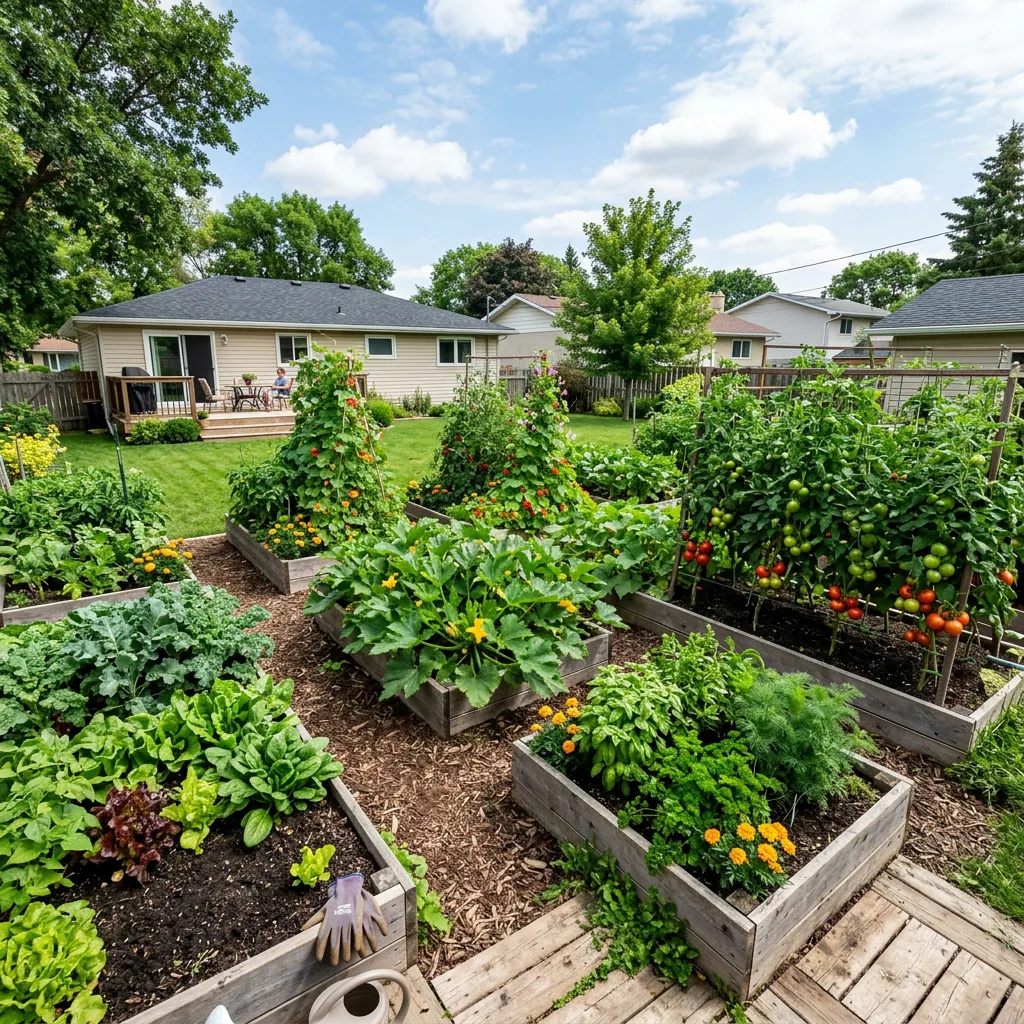
Both screened topsoil and 4-way blend are available for pickup or delivery. Browse and order at ditchfieldsoils.ca or call 204-889-6268. If you’re not sure which product or what quantity your project needs, our team will help you figure it out before you order — not after.
Order at Ditchfield Supplies
Call 204-889-6268