- Ditchfield Supply delivers limestone, shale, granite, and drainage gravel across Winnipeg.
- Aggregate type matters — using the wrong grade for your application causes real problems.
- “Clean” and “down” (or “crusher run”) are the two main limestone grades, and they serve different purposes.
- Volume formula: Length (ft) × Width (ft) × Depth (in) ÷ 324 = cubic yards needed.
- Order online at ditchfieldsoils.ca for pickup or delivery to your Winnipeg property.
What Is Aggregate and Why Does the Grade Matter?
Aggregate is a broad term for crushed stone, gravel, and similar materials used as a structural base, drainage layer, or surface finish in construction and landscaping. The grade — meaning the particle size and gradation — determines what the material actually does on a job.
The wrong aggregate in the wrong application causes problems that don’t show up immediately. A driveway built on clean limestone instead of crusher run shifts and ruts because the uniform particle size doesn’t lock together under load. A French drain filled with crusher run instead of clean drainage gravel clogs because the fines block water flow. Grade matters.
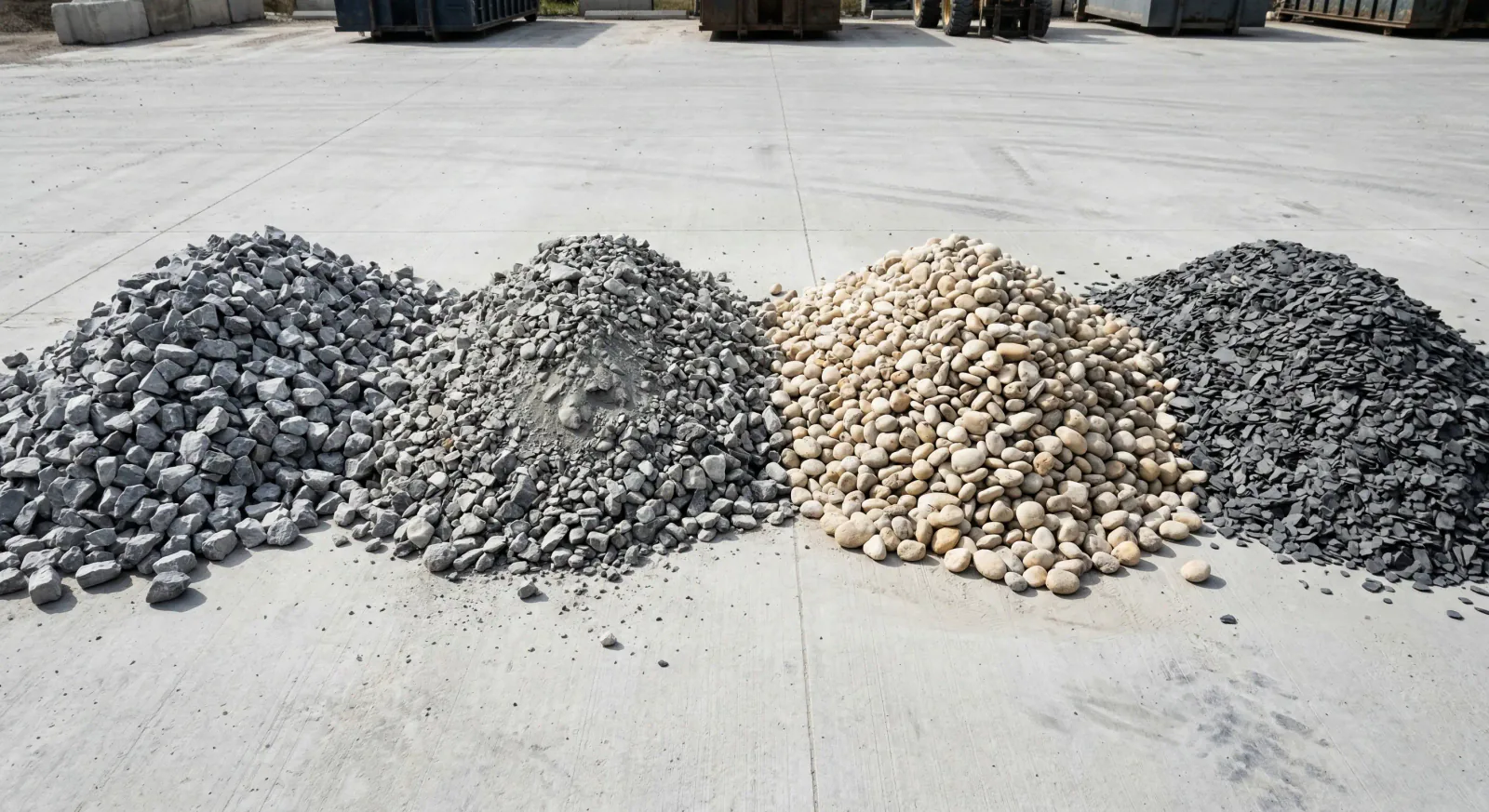
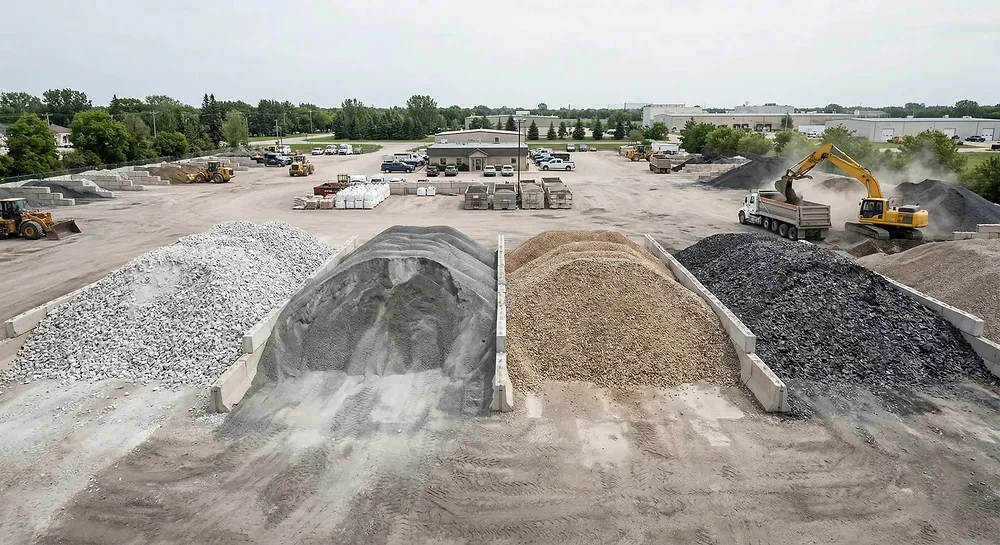
Types of Aggregate Ditchfield Carries
Clean Limestone
Screened to remove fines — uniform angular pieces that allow water to pass through while providing structural support. Right choice when drainage is a priority. Common for French drain beds, weeping tile surround, under-deck drainage, and decorative pathways.
Limestone Down (Crusher Run)
Unscreened — retains all particle sizes from coarse stone to fine dust. When compacted, the fines fill voids, and the material locks together into a dense, load-bearing surface. Standard sub-base under driveways, patios, and any hardscape requiring a firm foundation. Shop crushed limestone for your base.
Shale and Crushed Stone
Fine-grained sedimentary material that compacts very tightly. Used as a base layer or fill material where a smooth, dense surface is needed. Packs harder than limestone down in some applications and is cost-effective for large fill volumes.
Drainage Gravel
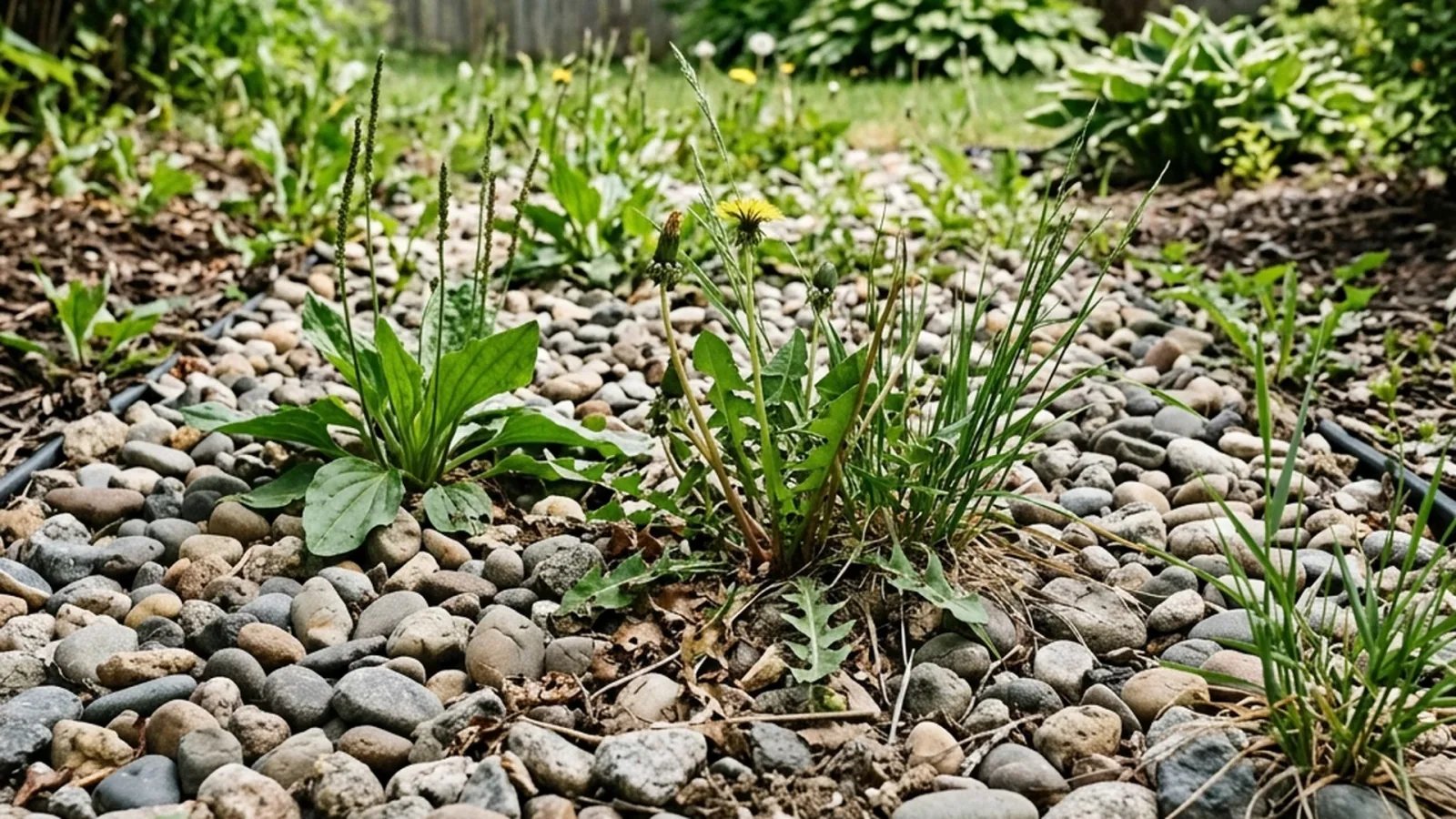
Coarse, clean, rounded material specifically selected for high water permeability. Used in French drain systems, around weeping tile, and in any drainage bed where water needs to move freely. Rounded shape maximizes void space for water flow.
Decorative Rock & Granite
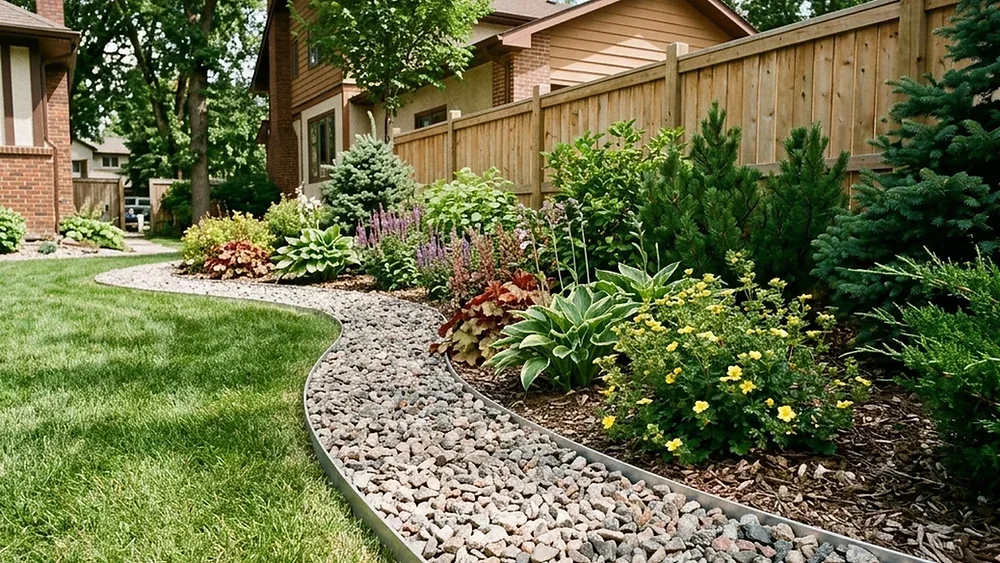
River stone and granite chips serve aesthetic and functional purposes. Commonly used in garden beds, around water features, as pathway surfaces, and as a low-maintenance alternative to mulch. See our river stone and decorative granite guide for sizes and colour options.Ready to order? Browse landscaping rock in Winnipeg.
How Much Aggregate Do You Need?
Volume Formula
Application Depth Reference
| Application | Recommended Depth | Coverage per Cu Yd |
|---|---|---|
| Driveway sub-base (crusher run) | 4–6 inches | ~55–80 sq ft |
| Patio sub-base (crusher run) | 4 inches compacted | ~80 sq ft |
| French drain bed (clean limestone) | Fill to pipe top + 6″ | ~80 sq ft at 4″ |
| Pathway surface (clean limestone) | 2–3 inches | ~108–160 sq ft |
| Garden bed drainage layer | 2 inches | ~160 sq ft |
Order Extra for Compaction Loss
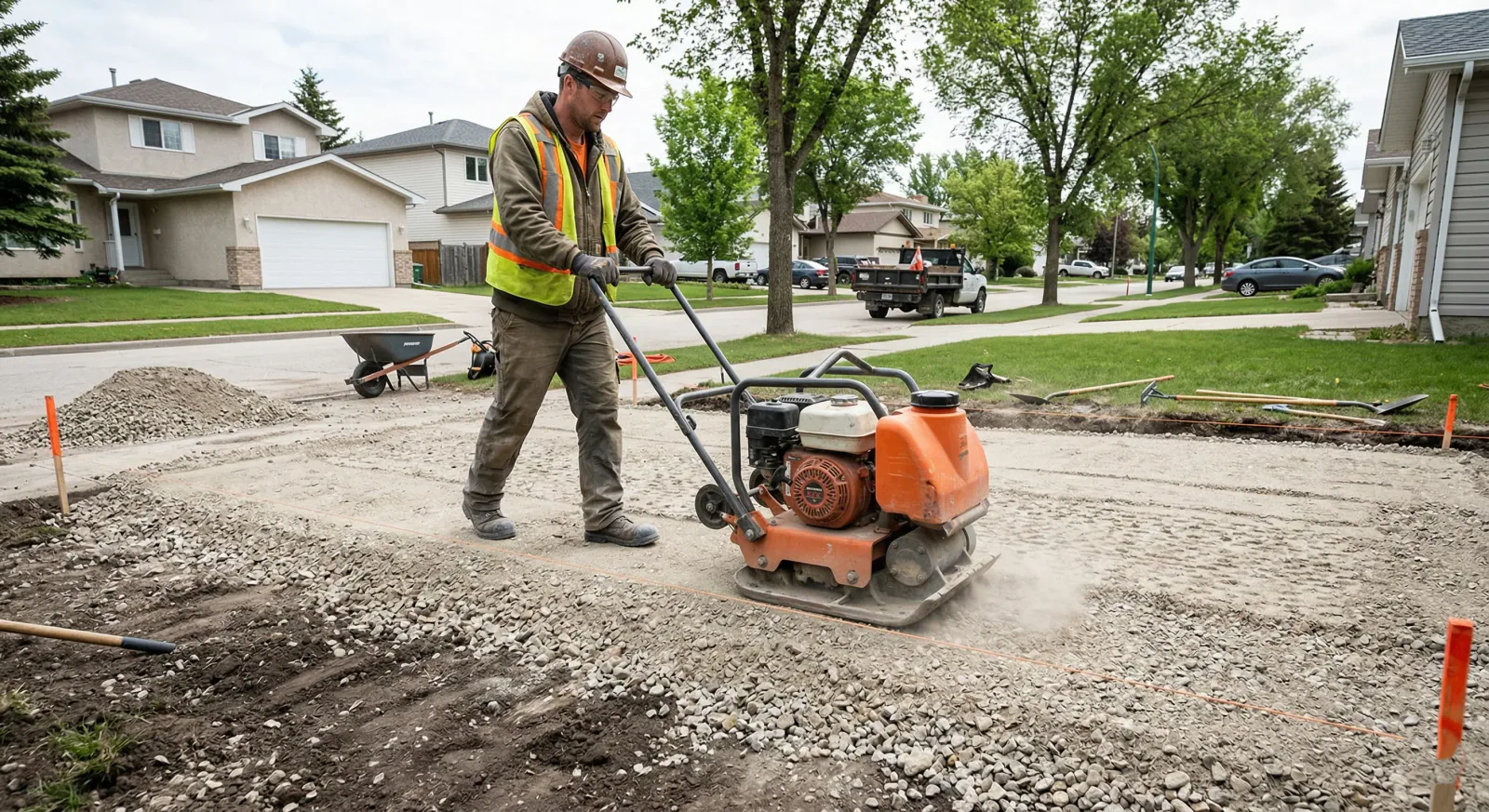
Crusher run and similar materials lose volume when compacted. A 4-inch uncompacted layer typically compacts to around 3 inches. Add 15–20% to your calculated volume when ordering base material that will be compacted.
Aggregate Delivery: How It Works at Ditchfield
Ordering Online or by Phone
Order at ditchfieldsoils.ca for pickup or delivery. If you’re not sure which product fits your project, our team can help match the right material to the application.
Delivery Areas and Lead Times
Ditchfield delivers across Winnipeg and the surrounding areas. Lead times vary by season. Spring and summer are peak demand periods, so ordering a week or two ahead during those months ensures your material arrives when your project is ready to move.
What to Prepare Before Delivery
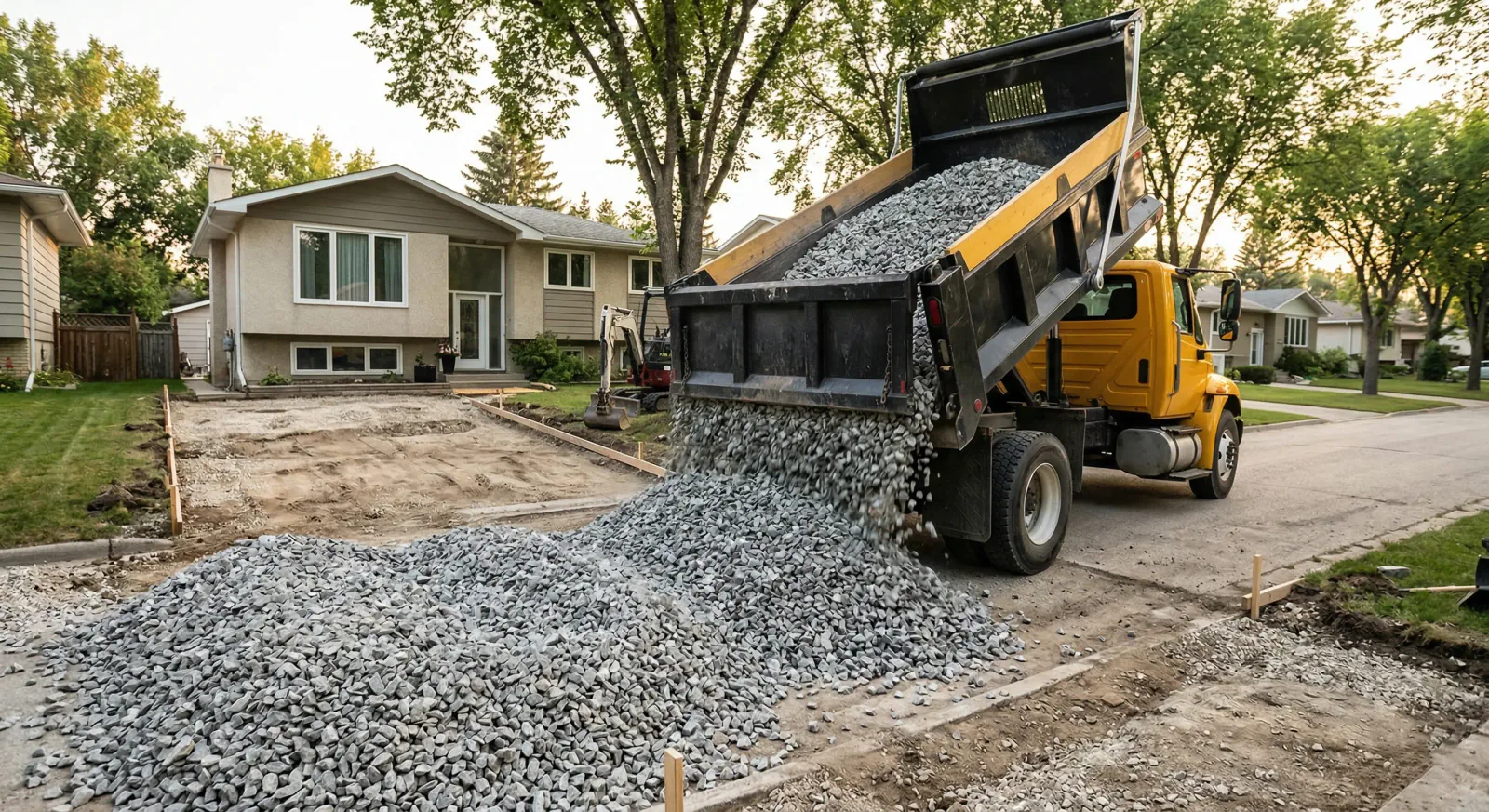
For driveway delivery, clear the drop location of vehicles and give the driver a clear path. For backyard delivery, check whether your gate width accommodates a standard delivery truck — most residential gates that can’t fit a truck will require the material to be dropped at the front of the property and moved by wheelbarrow.
Alley deliveries are common in Winnipeg’s older neighbourhoods and work well for rear-yard access, but check for overhead utility wires before assuming an alley is usable. Low-hanging lines limit the clearance for a raised truck box. If you’re unsure, let us know the address when ordering.
Drop point tip: Dumped aggregate is far easier to spread from a well-placed pile than from one that’s 30 feet away. A few minutes of planning the drop point saves an hour of shovelling.
FAQ: Gravel and Aggregate in Winnipeg
How deep should driveway gravel be?
For a residential driveway sub-base using crusher run, the standard depth is 4 to 6 inches of compacted material. If the native soil has poor drainage or the site has a history of soft spots, go to the deeper end of that range. The surface layer, if using clean limestone or decorative stone, adds another 2 to 3 inches on top.
What is the difference between clean limestone and crusher run?
Clean limestone has been screened to remove fines, leaving uniformly sized pieces that allow water to drain through. Crusher run (limestone down) retains all particle sizes and compacts to a dense, load-bearing surface. Clean limestone is for drainage applications; crusher run is for structural base work.
Can you deliver to a backyard with limited access?
Yes, with some planning. Gate width is the first constraint — if a standard delivery truck can’t fit through, the material gets dropped at the front or side of the property and moved by wheelbarrow or skid steer. Alley access works well in many Winnipeg neighbourhoods, but check for overhead utility wires. For any tricky access situation, contact Ditchfield before ordering so we can figure out the best approach for your specific property.
Order Your Aggregate
Browse and order at ditchfieldsoils.ca. For projects involving drainage improvements, our landscape drainage partner Lawn N Order handles full installation, including proper aggregate base preparation for Winnipeg’s frost conditions.