Planning spring landscaping projects in January makes sense. Getting materials delivered early can mean better availability, more flexible scheduling, and sometimes better pricing during the slower winter months.
But here’s what separates successful early material purchases from frozen piles that create problems: understanding which materials tolerate winter storage, how to store them properly, and what you can actually accomplish with winter-delivered materials.
Some materials work great when delivered in winter. Others need specific storage conditions. And a few genuinely benefit from waiting until you’re ready to use them. Knowing which is which saves money and prevents frustration.
Materials That Handle Winter Delivery Well
Gravel, Stone, and Aggregates
Crushed stone, gravel, and similar materials are winter champions. They contain minimal moisture (typically under 3%), so they don’t freeze into solid masses. Individual stones remain separate and workable even at -30°C.
Winter applications that work right away:
- Drainage projects (French drains, foundation drainage)
- Base material for spring construction projects
- Access paths and temporary roads
- Areas requiring immediate aggregate material
Winter stockpiling advantages:
- Material arrives when you want it, not when the spring rush limits availability
- You can stage materials close to where you’ll use them
- Early delivery means you’re ready to start work the moment the ground thaws
- No degradation from winter storage: gravel in January performs identically to gravel in April
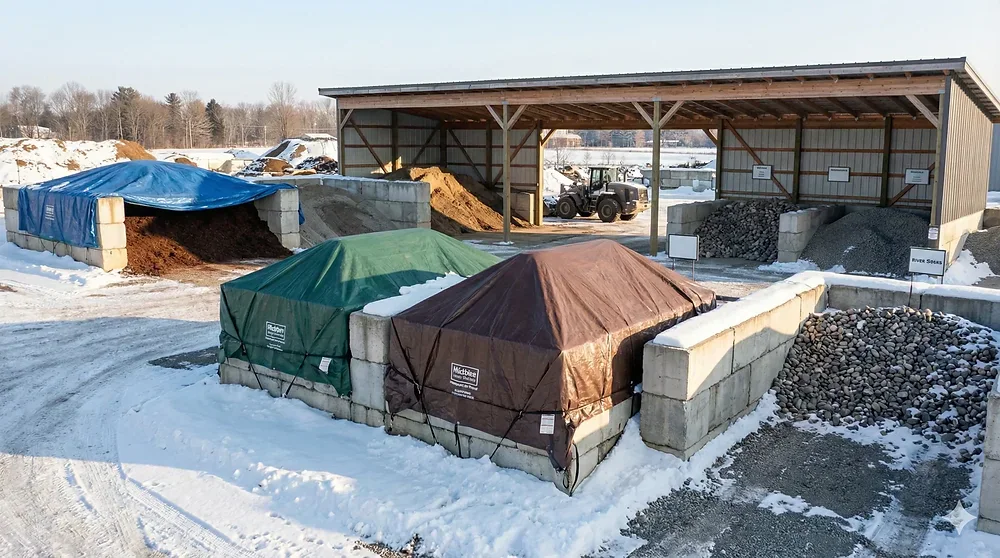
Storage tips: Pile on firm ground where spring melt drainage won’t create mud. Cover with tarps if you want to keep snow off for easier access, but it is not strictly necessary. Mark pile locations so you do not drive over or plow into them accidentally.
Sand (With Conditions)
Sand’s winter behaviour depends on moisture content and storage approach.
Washed sand (minimal moisture) stays relatively workable in winter. You can use it for immediate projects, and it tolerates outdoor storage reasonably well.
Applications that work in winter:
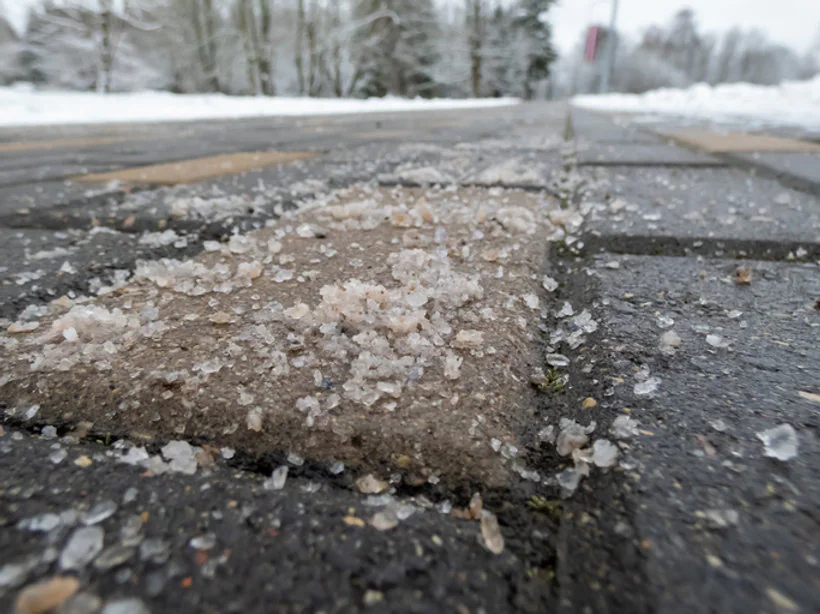
- Winter traction (sand buckets for icy areas)
- Construction projects with equipment to handle material
- Immediate base or bedding applications
Storage requirements: Keep sand piles covered if possible. Tarps prevent additional moisture from snow and rain. Uncovered sand absorbs moisture from winter precipitation, creating harder-to-work material as winter progresses.
Best practice: Order sand closer to when you’ll use it rather than storing it for months, unless you have covered storage space.
Materials That Need Smart Winter Storage
Topsoil and Garden Soil
Topsoil contains 15-25% moisture content, necessary for material quality but challenging in winter. This moisture freezes, bonding soil particles into chunks. However, with proper storage, you can successfully stockpile topsoil for spring use.
Why buy in winter?
- Guaranteed availability for spring projects
- Flexible delivery scheduling without competing with the spring rush
- Material is ready when you’re ready to work
- Some suppliers offer winter rates
Storage method that works:
Location: Choose a well-drained area where spring melt won’t create standing water around the pile. Avoid low spots.
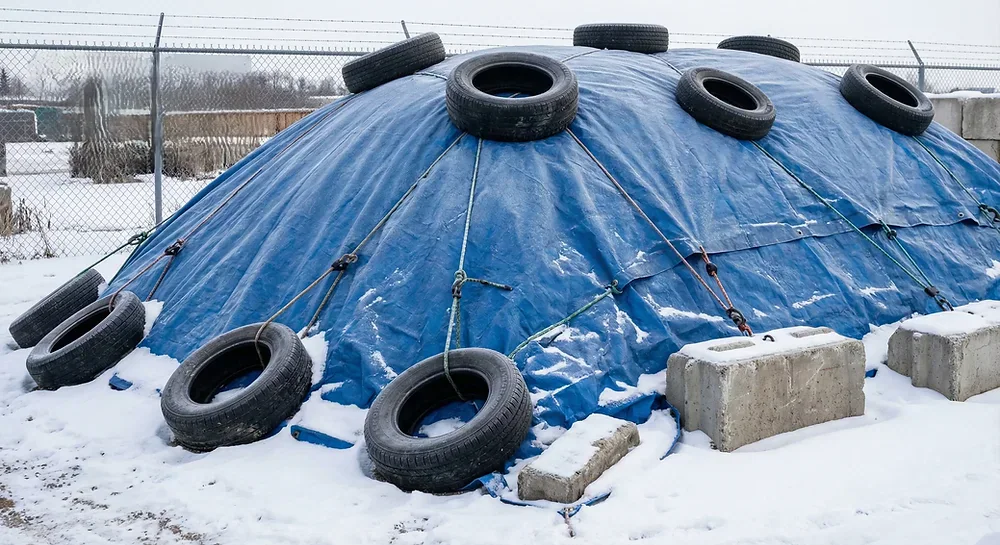
Covering: Heavy-duty tarps prevent additional moisture from snow and rain. Secure tarps against wind. This doesn’t prevent freezing, but it prevents moisture increase.
Sizing: Order what you’ll use in early spring, within the first four to six weeks after thaw. Storing large quantities throughout the entire winter works, but storage space and effort increase with pile size.
Thawing plan: Material delivered frozen needs two to three weeks of above-freezing temperatures to fully thaw and become workable. Plan delivery for late February or March if you need material workable by mid-April.
Reality check: Topsoil delivered in December stays frozen until March. If you have space and don’t need immediate access to that area, this works fine. If that spot is your driveway or prime yard space, timing delivery closer to use makes more sense.
Mulch and Compost
Organic materials such as mulch, compost, and composted manure freeze solid in winter but tolerate storage if properly managed.
Winter delivery advantages:
- Availability guaranteed for spring projects
- Ready to spread the moment the ground and weather cooperate
- One less thing to coordinate during the busy spring planting season
Storage requirements:
Covering: Essential for mulch and compost. Tarps prevent snow accumulation and moisture increase. These materials are harder to work with when saturated.
Access: Plan storage where you won’t need to move piles until spring. Frozen mulch chunks are difficult to relocate mid-winter.
Thawing: Like topsoil, expect two to three weeks for frozen compost or mulch to thaw and become spreadable. Material delivered in late February is workable by mid-April.
Volume consideration: A cubic yard of mulch is significantly lighter than a cubic yard of stone. If storage space is limited, mulch piles take up the same volume but create fewer obstacles than stone piles.
Strategic Winter Buying Approach
For Spring Garden Projects
Now (January-February): Order stone or gravel if you’re building raised beds, creating paths, or need base materials. These materials work immediately if the weather cooperates for construction, or store perfectly until spring.
Late February-March: Order topsoil and compost. Material arrives with enough time before use, but you’re not storing it through the entire winter.
April: Order mulch when you’re ready to spread it. Fresh mulch looks better and performs better than material stored for months.
For Spring Hardscaping Projects
Now (January-February): Order all aggregates and stone. Base materials, drainage stone, decorative rock, and anything in the stone or gravel family can come now.
Advantage: When spring arrives, you’re not waiting for material delivery. You’re working.
March: Order sand if your project needs it. Timing sand delivery closer to use prevents moisture-related storage issues.
For Large Projects Spanning Seasons
Staged delivery approach: Order materials in sequence based on when you’ll use them. Base materials first because they store well, then structural materials, and finally finishing materials such as topsoil and mulch, which benefit from fresh delivery.
This spreads the cost over time and ensures each material arrives in optimal condition for its use phase.
Winter Storage Best Practices
Proper Tarp Usage
Heavy-duty tarps only. Lightweight tarps tear in the wind or from ice and snow load. Heavy-duty tarps (minimum 8-10 oz per square yard) survive winter conditions.
Secure edges. Use enough weight to prevent wind from getting under tarps. Tires, lumber, or dedicated tarp weights work. Check weekly because the wind is persistent.
Ventilation consideration: Some people leave small gaps at tarp edges, allowing air circulation while preventing snow accumulation. This reduces condensation and can improve material condition for organic materials.
Pile Location Planning
Drainage: Never pile materials where spring melt will pond. Even stone piles benefit from good drainage, which prevents ice accumulation and mud issues at pile bases.
Access: Consider how you’ll move material from storage to the use location. Frozen ground in February lets you drive equipment to places that become impassable mud in April. Sometimes winter delivery to the final location works better than spring delivery to a storage area followed by secondary moving.
Visibility: Mark pile locations with stakes or flags. Snow cover makes piles invisible; you don’t want to hit them with snow removal equipment or vehicles.
When Waiting Makes More Sense
We’re honest about this: some situations genuinely benefit from spring delivery rather than winter storage.
Limited storage space: If a material pile blocks access you need all winter, delivery closer to the use time works better.
Uncertain spring timeline: If you don’t know exactly when spring work starts because the weather or contractor schedule is not finalized, ordering just in time prevents material sitting unused.
Small quantities: For projects using one to two cubic yards of material, storage effort exceeds the convenience benefit. Order when ready to use.
Finishing materials: Mulch especially benefits from fresh delivery right before use. Colour stays vibrant, material is clean, and you’re not spending winter monitoring a tarp-covered pile.
Making Winter Material Purchase Work
The key is matching material characteristics to storage realities and project timelines.
Materials with minimal moisture (stone, gravel, dry aggregates): Buy anytime and store on firm, well-drained ground. These are winter-proof.
Materials with moisture content (soil, compost, mulch): Buy with a storage plan—a covered, well-drained location—and a realistic thaw timeline. These work but need management.
Spring-ready advantage: Having materials on-site when spring arrives means you start work immediately. While others wait for deliveries during the spring rush, you’re already working.
Ditchfield Soils delivers materials year-round. We can help plan delivery timing based on your specific project, storage capabilities, and timeline. Sometimes that means delivering everything now. Sometimes it means staged deliveries. Sometimes it means waiting until you’re ready.
We also coordinate with Lawn ‘N’ Order on landscaping projects requiring multiple material types and with EcoBins & Cartage when material delivery needs to coordinate with site preparation or waste removal.
Winter material purchase isn’t right or wrong; it’s about matching timing to actual project needs and storage realities.
Strategic winter material purchase gives you a spring-ready advantage. Understanding which materials tolerate winter storage and how to store them properly makes early buying work to your advantage rather than creating frozen obstacle piles in your yard.