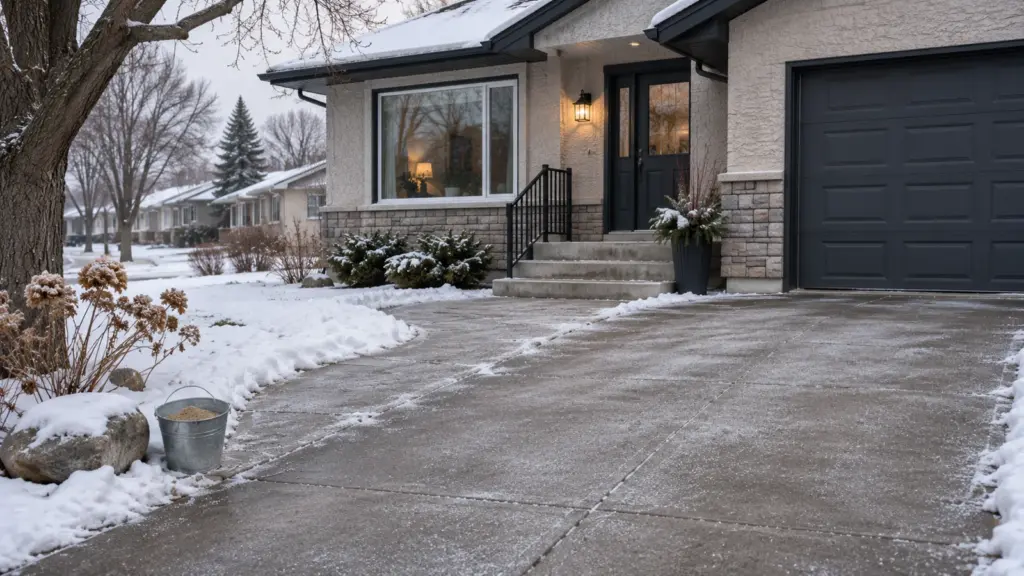
Salt and sand do different jobs on a driveway. Salt lowers the freezing point of water so ice can melt into slush. Sand and granite chips sit on top of ice and give tires and boots something to grip. In Winnipeg, where pavement can be much colder than the air on a clear night, that difference decides what is worth buying for home use.
This guide is for residential driveways, walkways and steps: what to buy, when melting still helps, and how to store materials so they stay usable. Contractors planning seasonal bulk volume should use our bulk salt and sand guide for snow contracts. Homeowners who want the work done for them can see Lawn 'N' Order's winter sanding service.
Salt Melts. Sand Holds You Up.
Use salt when the surface is cold enough to hold ice but still warm enough for sodium chloride to work at a useful speed. Use sand or granite chips when you need footing now, when the surface is too cold for melting to keep up, or when you want to avoid putting more chloride next to plantings, lawn edges or pet routes.
| Goal | Better fit |
|---|---|
| Thin ice or frost you want to break into slush | Salt or a salt-and-sand blend |
| Packed snow or hard ice you need to walk or drive on safely | Sand or granite chips |
| Surfaces beside gardens, evergreens or lawn edges | Traction materials with little or no salt |
| Repeated freeze-thaw glaze on steps and the front walk | Traction first; add salt only when the surface can melt |
Clear snow first when you can. Material works better on a scraped surface than on a deep snow pack.
The Cold Weather Myth, Sorted Out
A common line is that salt "stops working" once it gets cold. The science is more precise than that.
Canada's Priority Substances List assessment for road salts lists sodium chloride's eutectic temperature at about -21°C and its working temperature range at about 0°C to -15°C. The eutectic figure is the laboratory floor under ideal conditions. The working range is the more useful number for real pavement: as the surface gets colder, each handful of salt melts less ice and takes longer to do it. Pavement temperature, rather than wind chill, is the useful figure for deciding whether to melt ice or add traction.
That is why traction materials matter in a Winnipeg winter. When pavement is too cold for useful melting, sand or granite chips still give boots and tires something to grip.
Manitoba Transportation and Infrastructure describes provincial highway practice in pavement-temperature terms. On those roads, salt is used when road surface temperatures are between 0°C and -10°C and are not expected to keep falling. Below -10°C with colder temperatures forecast, a salt-and-sand mixture is used. Sand is also used on hills, turns and intersections where extra traction is needed. That is highway operations policy, not a residential dosage chart. It is useful local context because it separates melting from traction and treats pavement temperature as the decision point, not the air-temperature number on a phone widget.
Pavement can be colder than the air after a clear night, and warmer than the air on a sunny afternoon. If you are choosing between melting and traction, think about the surface under your boots, not only the forecast high.
What Fits a Residential Driveway
Salt sand blends
A salt-and-sand blend gives some melting action and immediate grit in one spread. On Ditchfield's Square store, residential-facing options include:
- 5% Salt Sand in the Bagged Sand listing, described as sand blended with 5% salt for winter traction on walkways, driveways and steps, helping with both grip and ice melt. The listing states it is only available in winter months.
- 5% Salt Sand and 10% Salt Sand as separate bulk product listings for winter traction.
Choose a lower salt share when you mainly want grip with a lighter chloride load. Choose the higher salt share when you still want more melting help along with sand. Neither blend replaces shovelling, and neither is a reason to bury the driveway in chloride. Confirm current package size and pickup or delivery details when you order.
Granite chips
Bagged Granite Chips are listed for winter traction on walkways, driveways and steps as a gritty alternative to salt or sand for footing in icy conditions. The Granite Chips listing also describes granite chips as a winter traction product available by the bag while supplies last.
Granite chips do not melt ice. They stay useful when melting is slow, and they are the cleaner-looking option when you want grit without a sand film tracked indoors. Sweep or collect leftover chips in spring the same way you would manage leftover sand.
Straight sand without salt
Plain sand provides traction only. It is the right mental model whenever melting is not the goal. If you are buying for plant-sensitive edges, pet paths or a stretch of deep cold where you only need footing, prioritize grit over chloride.
If you specifically need straight rock salt or a chemical ice melt rather than a sand blend or granite chips, ask the yard what is currently in stock.
How Much to Put Down
How much you use depends on driveway size, how often ice forms, how well you clear snow, wind, and which product you chose. There is no single bags-per-winter number that fits every driveway.
Practical habits that travel well across winters:
- Clear loose snow before you spread anything.
- Apply a light, even pass on the walking line, steps, and the apron where boots and tires meet. Add more only where the surface is still slick.
- On cold pavement, expect salt to work slowly. If the surface will not melt in a useful time, switch to traction rather than dumping more salt.
- Reapply after new snow, drifting, or heavy traffic has covered or kicked the material aside.
- Keep chloride away from the base of shrubs, hedges and lawn edges when you can. Use grit there instead.
If your driveway is long, steep or hard to keep up with after every icing event, materials at home and a sanding route can work together. Lawn 'N' Order's winter sanding service primarily covers West Winnipeg and surrounding areas.
Store It So It Does Not Set Solid
Moisture is what turns a useful pile into a brick.
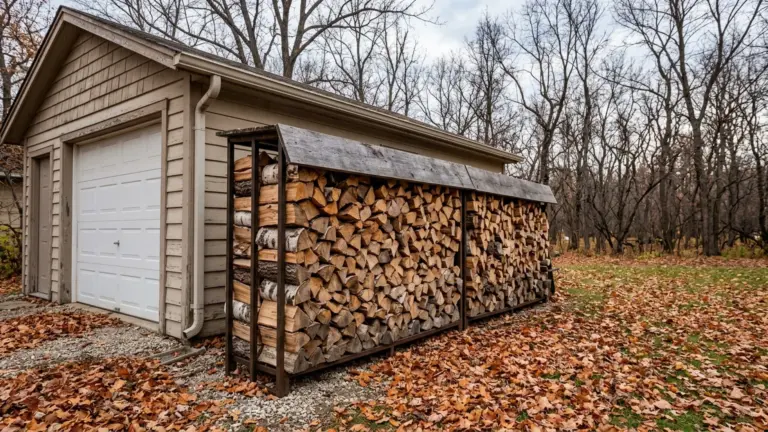
- Keep bagged material indoors, in a garage, or under a sealed cover off damp ground.
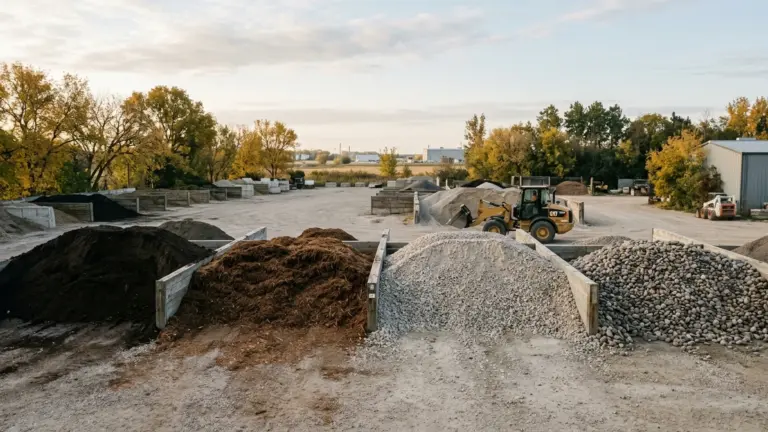
- Keep bulk salt sand covered. Open piles pick up meltwater, rain and humidity, then cake into clumps that are hard to spread evenly.
- Load only what you will use soon into a bucket or spreader, and close the main bag or bin again.
- In spring, sweep leftover sand or chips off hard surfaces before they wash into lawn beds or drains.
Covered, dry storage is also the direction Environment and Climate Change Canada's road-salt best-practice guidance pushes for salt and salt-sand piles: control moisture and uncontrolled runoff rather than leaving material open to the weather.
Bags for Touch-Ups, Bulk for a Full Driveway
Bags are the practical choice for steps, the front walk and small top-ups between storms. Bulk salt sand listings suit a longer driveway or a household that wants fewer midwinter runs to the yard. Confirm current packaging, blend and pickup or delivery details when you order.
Browse current landscape materials on the products page, or open the matching Square listing when you already know which winter product you need. For contractor-scale seasonal volume, use the bulk salt and sand commercial guide.
FAQ
Is sand or salt better for a Winnipeg driveway?
Neither replaces the other. Salt helps melt ice when pavement temperatures still support useful melting. Sand and granite chips give traction when melting is slow, incomplete or unwanted near plants.
Does salt stop working in deep cold?
It does not hit a cartoon on/off switch at a single air temperature. Melting slows as the pavement gets colder, and below the practical working range ordinary sodium chloride becomes a poor use of material. Traction products keep working because they do not rely on melting.
Should I use salt sand or granite chips on steps?
Both can improve footing. Salt sand adds some melt with the grit. Granite chips are the salt-free traction option and may track less fine sand indoors. Clear the steps first either way.
Can I keep leftover material for next season?
Yes, if it stays dry and covered. Clumped, wet material is harder to spread and easier to waste.
What if I would rather not spread materials myself?
See Lawn 'N' Order's winter sanding service for residential and commercial sanding routes.