- Different sand types serve completely different purposes — using the wrong one causes real problems
- Bedding sand (levelling sand) goes under pavers and flagstone to create a smooth, adjustable base
- Polymeric sand goes in the joints between pavers and hardens when wet to lock them in place
- Play sand is not a construction material — it compacts poorly and shouldn’t go under pavers
- Order pickup or delivery through Ditchfield Supply for any sand project in Winnipeg
Sand Types We Carry at Ditchfield
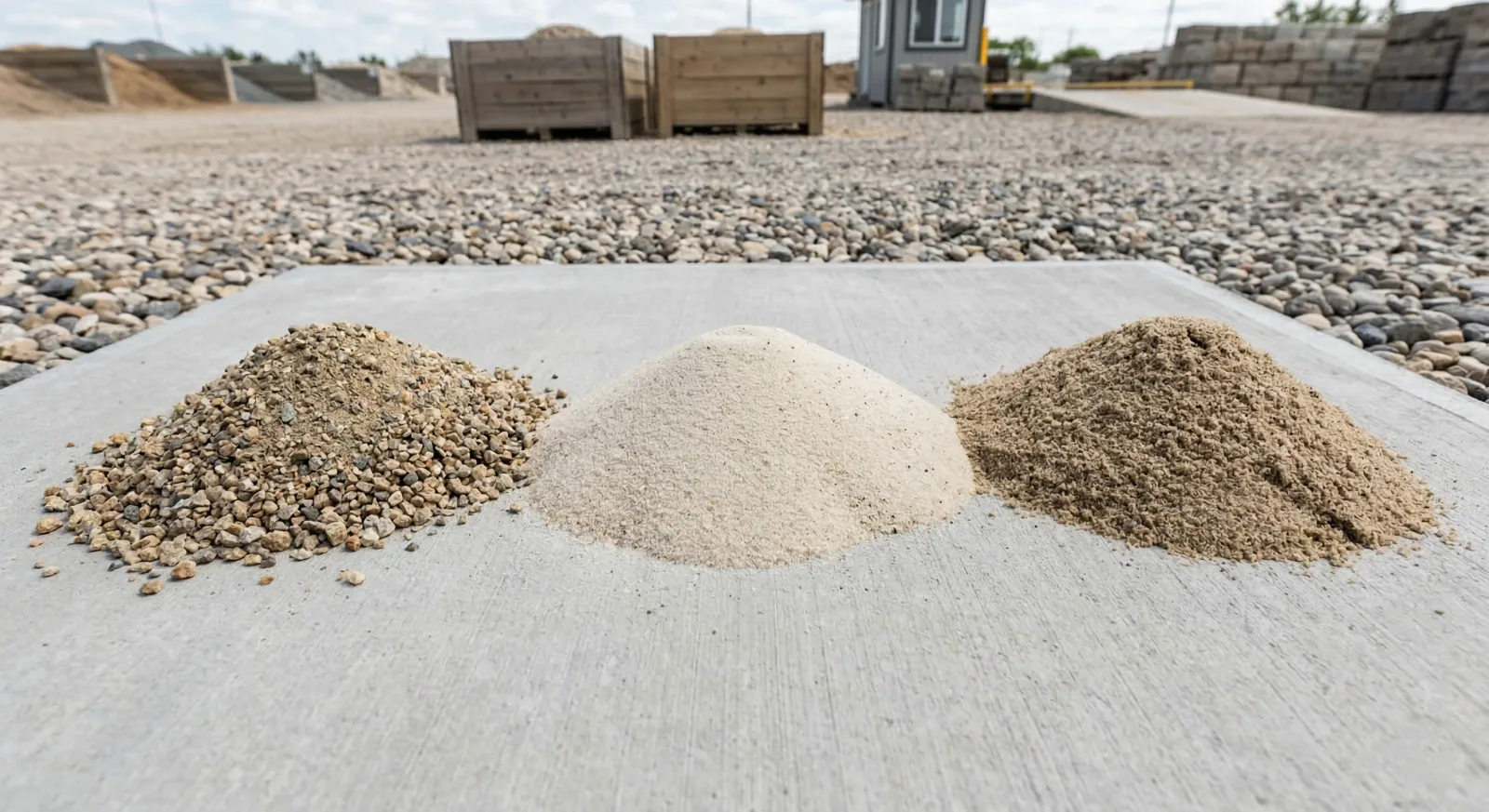
Sand is one of those materials where the name matters. Ask for “sand” at a supplier, and you’ll get a question back: What kind? Here’s the breakdown.
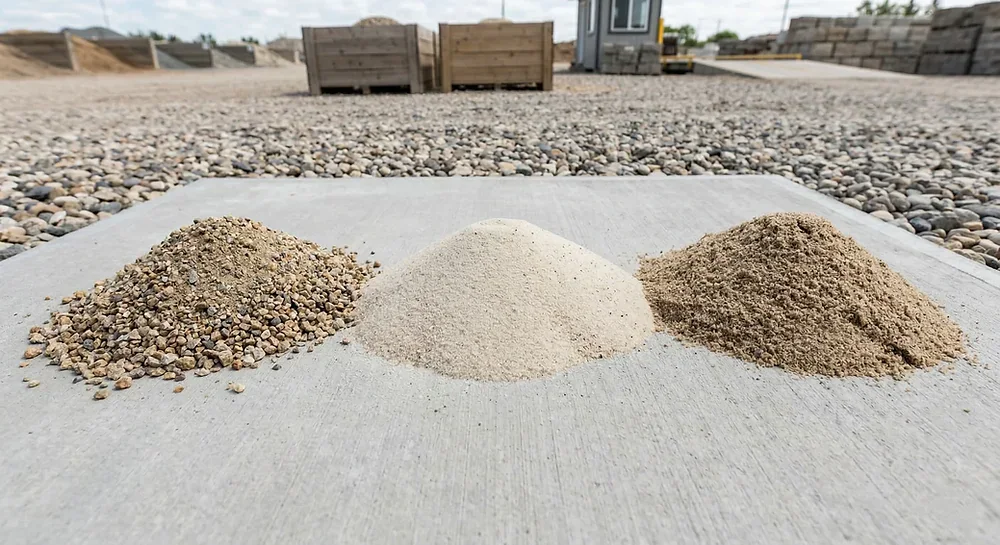
Coarse, angular sand that compacts firmly and holds its shape under years of foot traffic and freeze-thaw cycles. Standard spec: 1 inch (25mm) after compaction. The angular particles lock together — that’s the key difference from round-grained alternatives.
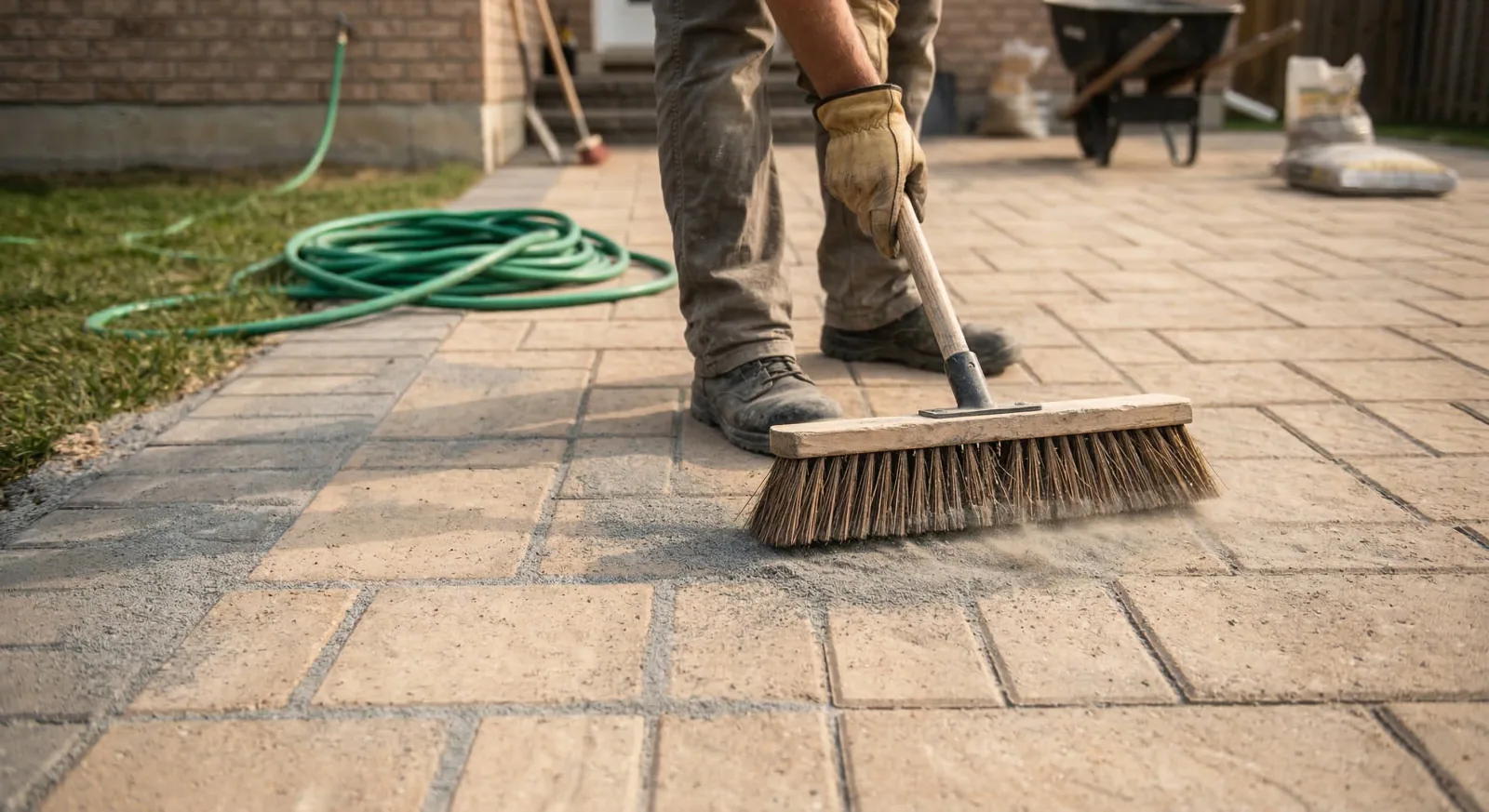
A blend of fine sand and polymer binders. Goes in the joints between pavers, and when wet and tamped in, the polymers activate and the sand hardens. Resists weeds, ant infiltration, and washout from rain. Not interchangeable with regular joint sand.
Very fine-grained and smooth. Used for sandboxes, between stepping stones, and as a mixing component in concrete and mortar applications. Doesn’t compact the same way bedding sand does — not appropriate as a paver base.
Coarser than mason sand, used for mixing concrete and mortar, and in drainage applications where you need material that allows water to pass through while providing structural support.
Which Sand for Which Project?
| Project | Sand to Use | Notes |
|---|---|---|
| Paver patio base | Bedding sand (1″ layer) | On top of compacted granular base — not on native soil |
| Paver joints | Polymeric sand | Hardens when activated with water; resists weeds & ants |
| Flagstone pathway gaps | Mason sand or fine stone dust | Allows plants to grow between stones if desired |
| Pool / hot tub levelling | Pool-grade mason sand | Bedding sand is too coarse for this application |
| French drain / drainage bed | Coarse concrete sand or sand-gravel blend | Needs to allow water to pass through |
Paver Patio or Walkway Installation
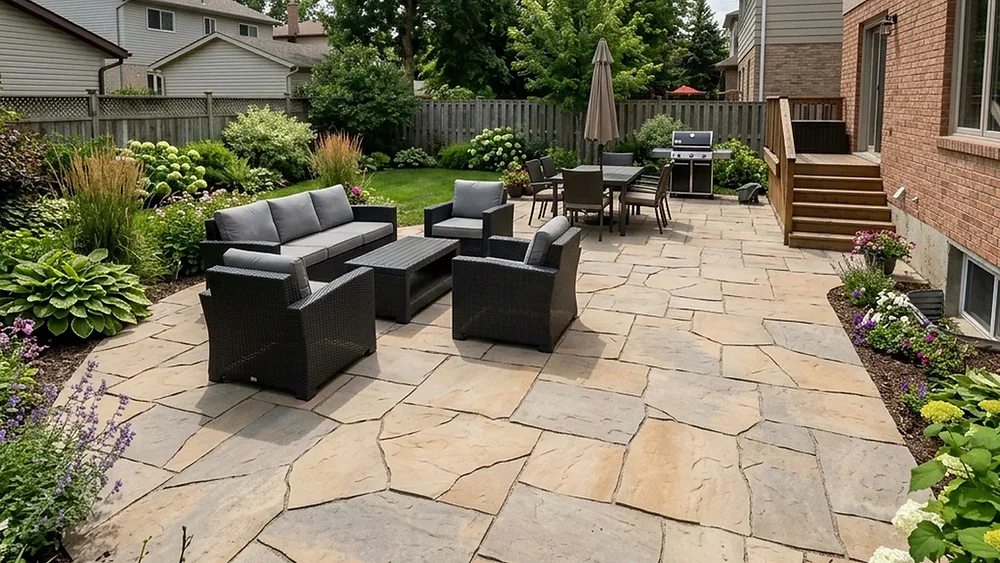
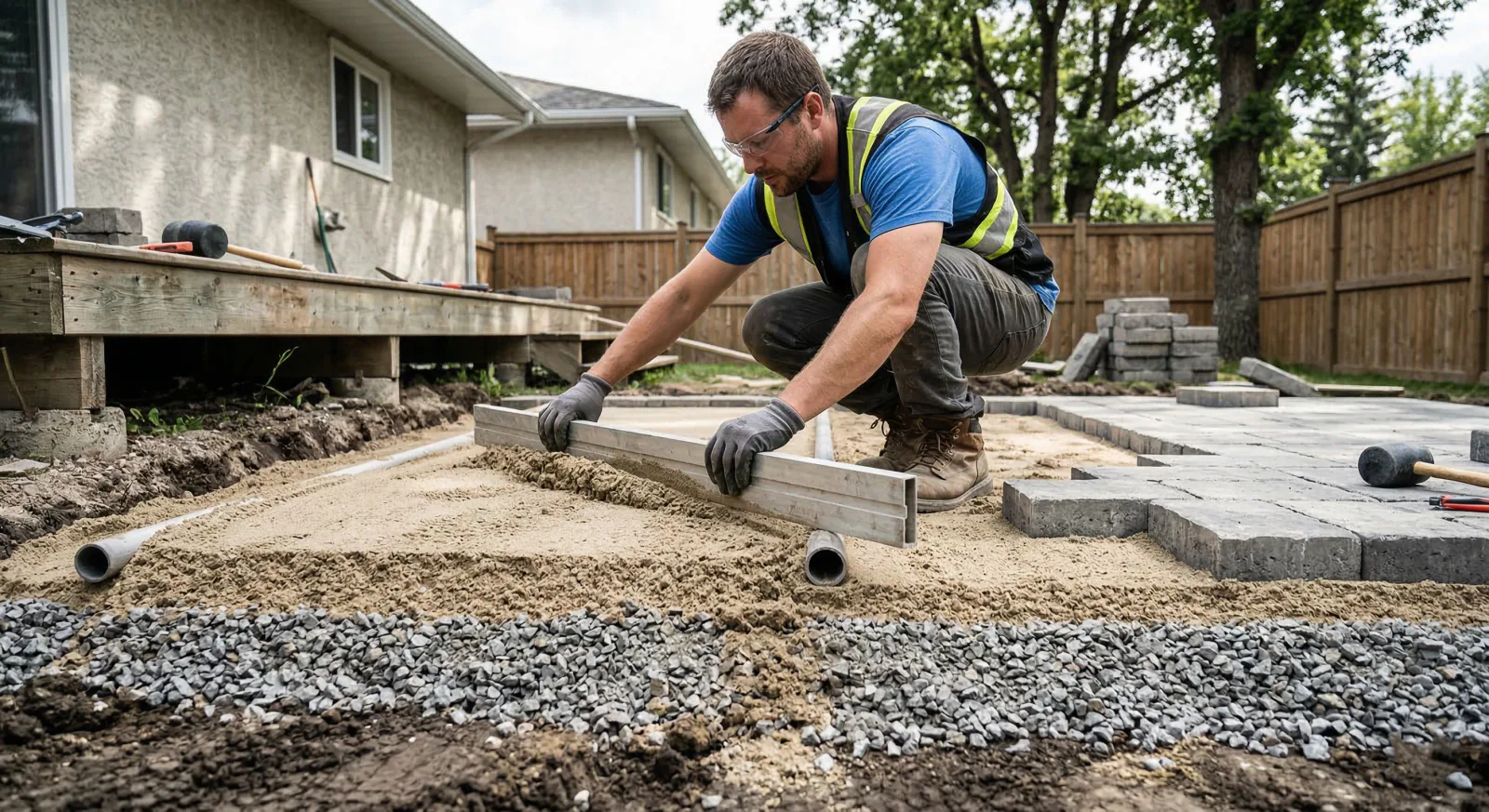
A properly built paver installation has three layers below the surface: the native soil at the bottom, a compacted granular base (typically crushed limestone or road base) above that, and finally the 1-inch bedding sand layer directly under the pavers. The granular base provides the structural depth and frost protection — the bedding sand is a screeding layer for precision levelling, not the primary structural element.
Some homeowners assume pavers sit directly on sand. They don’t. Sand on native soil, without a compacted granular base beneath it, will shift and settle — particularly through Winnipeg’s freeze-thaw cycles. For joints, use polymeric sand. This two-material approach is the industry standard for good reason: firm base, locked joints, minimal maintenance. If you’re planning a patio project, Lawn N Order’s patio and walkway service covers the full installation process, including proper base preparation for Winnipeg’s frost conditions.
Flagstone Pathways
Flagstone set in sand uses bedding sand beneath each stone. For the gaps between irregular flagstone, mason sand or fine stone dust works well aesthetically and allows plants to grow between stones if that’s the look you’re after.
Pool and Hot Tub Levelling
Fine mason sand or specifically labelled pool-grade sand is used to create a smooth, forgiving base under above-ground pools and hot tub pads. Bedding sand is too coarse for this application.
How Much Sand Do You Need?
For polymeric joint sand, coverage depends on the joint width and paver thickness. Typical coverage is 15–25 sq ft per bag. Your supplier can help estimate based on your paver specs.
Common Sand Mistakes
Using Play Sand Under Pavers
Common mistake: Play sand is smooth and round-grained. It doesn’t compact. It shifts under weight and frost movement. Pavers set on play sand end up uneven within a season or two. Always use angular bedding sand for paver bases.
Skipping Compaction
Screeding sand smooth is not the same as compacting it. Bedding sand needs to be properly compacted before pavers go on top. Skipping this step leads to settling and unevenness over time. Rent a plate compactor or have your contractor do this properly.
Not Using Polymeric Sand in Paver Joints
Regular sand in paver joints washes out. Weeds colonize the gaps. The installation looks neglected within a few years. Polymeric sand costs more upfront, but is the right material for joints in any installed paver surface.
FAQ: Landscaping Sand in Winnipeg
Can I use play sand under pavers?
No. Play sand is designed to be soft and movable for safety reasons. It doesn’t compact or hold pavers stable. Use angular bedding sand (sometimes called levelling sand or concrete sand, depending on local terminology) as your base material.
How deep should bedding sand be under pavers?
The standard is 1 inch (25mm) of compacted bedding sand. Going deeper doesn’t improve stability and actually creates more opportunity for movement. The stability comes from the compacted granular base beneath the sand, not the sand layer itself.
Does polymeric sand really prevent weeds?
Yes, when applied correctly. The key is getting it fully into the joints, activating it with water, and allowing it to cure properly. Partially filled joints or incomplete activation leave gaps where weeds can establish. Follow the manufacturer’s activation instructions carefully.
Order Sand for Your Project
Ditchfield Supply carries bedding sand, polymeric sand, mason sand, and concrete sand for pickup or delivery across Winnipeg. Not sure which you need? Our team is happy to help.